

Narrative Athletics shares insights on strategic positioning, narrative, and how value is built beyond performance in professional sport. Through essays and articles, we explore how identity, storytelling, and strategic alignment shape athletes, organizations, and brands across the global sports ecosystem.
What Goes on the Shirt
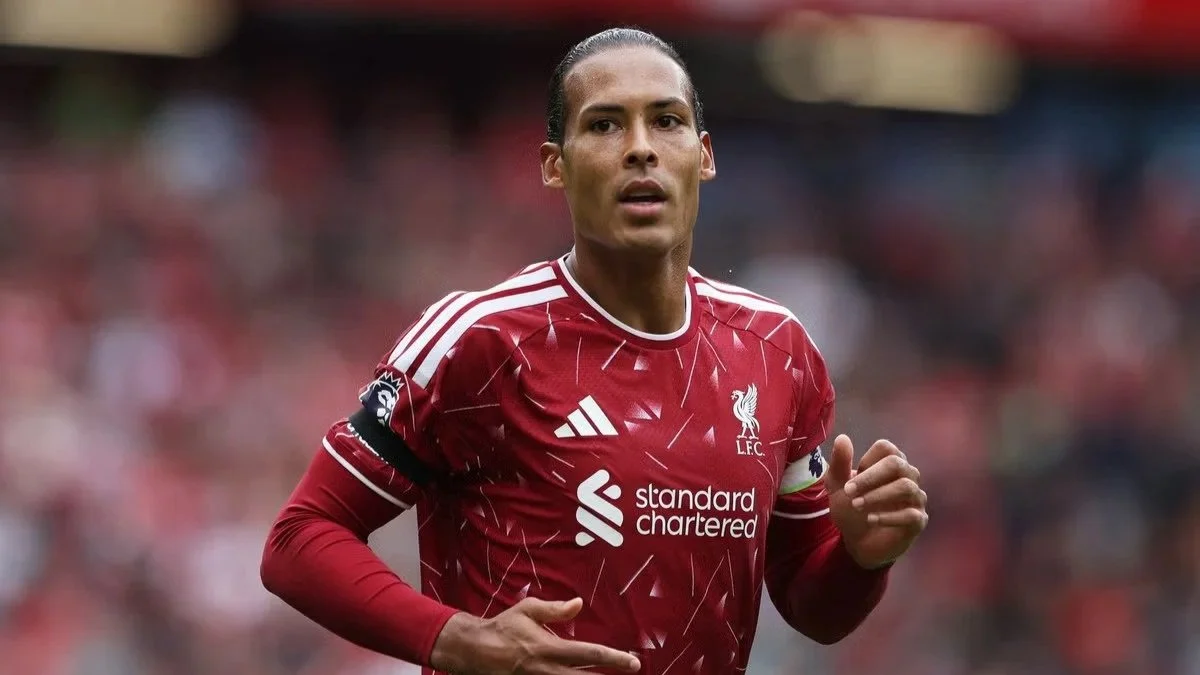
Liverpool just signed a five-year £300 million shirt deal with Turkish Airlines, the most valuable front-of-shirt-only deal in Premier League history. The EuroLeague dropped its naming sponsor last year and kept nothing in its place. Bayer Leverkusen has carried a pharmaceutical company's name for more than a century. RB Leipzig invented a name to carry a corporate identity football's rules would not otherwise permit. This piece examines what each of these decisions reveals about the relationship between commercial partnerships and organizational identity.

What Sport Looks Like When Few People Are Watching
Last week I traveled to Czech Republic for the Men's Softball European Super Cup 2026. Narrative Athletics sponsored my cousin's participation. I made the trip to watch. This piece is not about softball. It is about what becomes visible when you spend a week watching athletes compete in a space that most people never see, and what it reveals about identity, ambition, and what athletes actually need from the people around them.
The Philosophy Coming Home
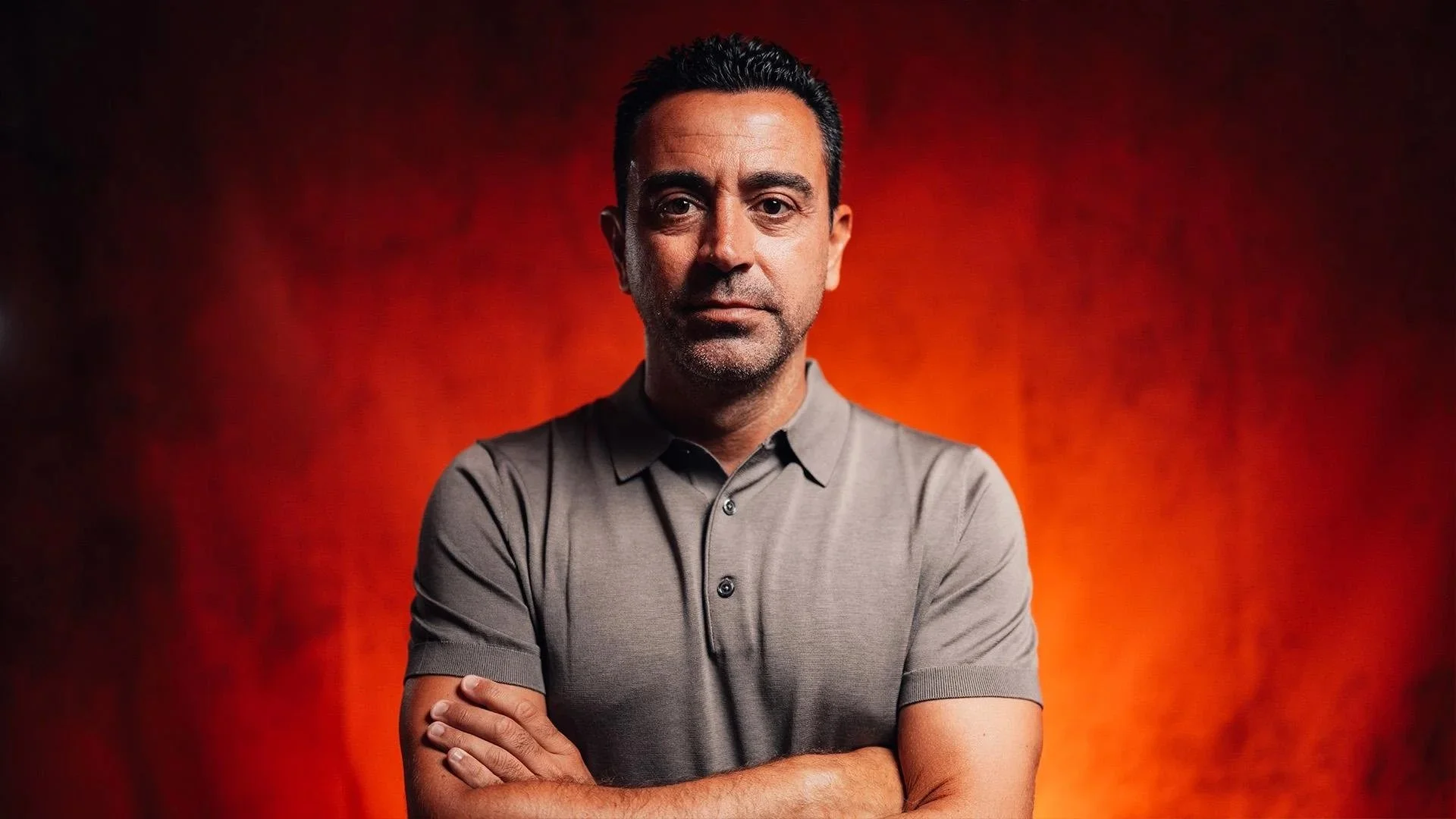
Xavi Hernández has been appointed head coach of the Netherlands on a contract through the 2030 World Cup. He was the third choice after Guardiola and Slot declined. This piece argues that the third choice is the most philosophically coherent one available, examining what Xavi did at Barcelona, how the Dutch national team drifted from its own identity, and why restoring a philosophy is a fundamentally different task from building one.

$11 Million to $12.5 Billion. What the Numbers Actually Measure
The Indiana Pacers sold for $11 million in 1983. The Los Angeles Lakers are being valued at $12.5 billion in 2026. Adjusted for inflation, $11 million in 1983 is roughly $35 million today. The Lakers are worth 357 times that figure. This piece examines what actually explains the gap, and why the answer is not championships, market size, or inflation, but something built more slowly and less visibly than any of those things.
The Cost of Visibility No One Planned For
The FBI and NCAA announced a partnership to combat the online sexual exploitation of college athletes. This piece argues it is not primarily a law enforcement story. It is a systems story about what happens when an industry creates unprecedented visibility for young athletes, profits from that visibility through NIL, and builds almost no infrastructure around the specific risks that visibility attracts. The awareness campaign is necessary. It is not sufficient. Here is what a more complete response would actually require.
Storytelling Is Infrastructure. The WTA Just Proved It
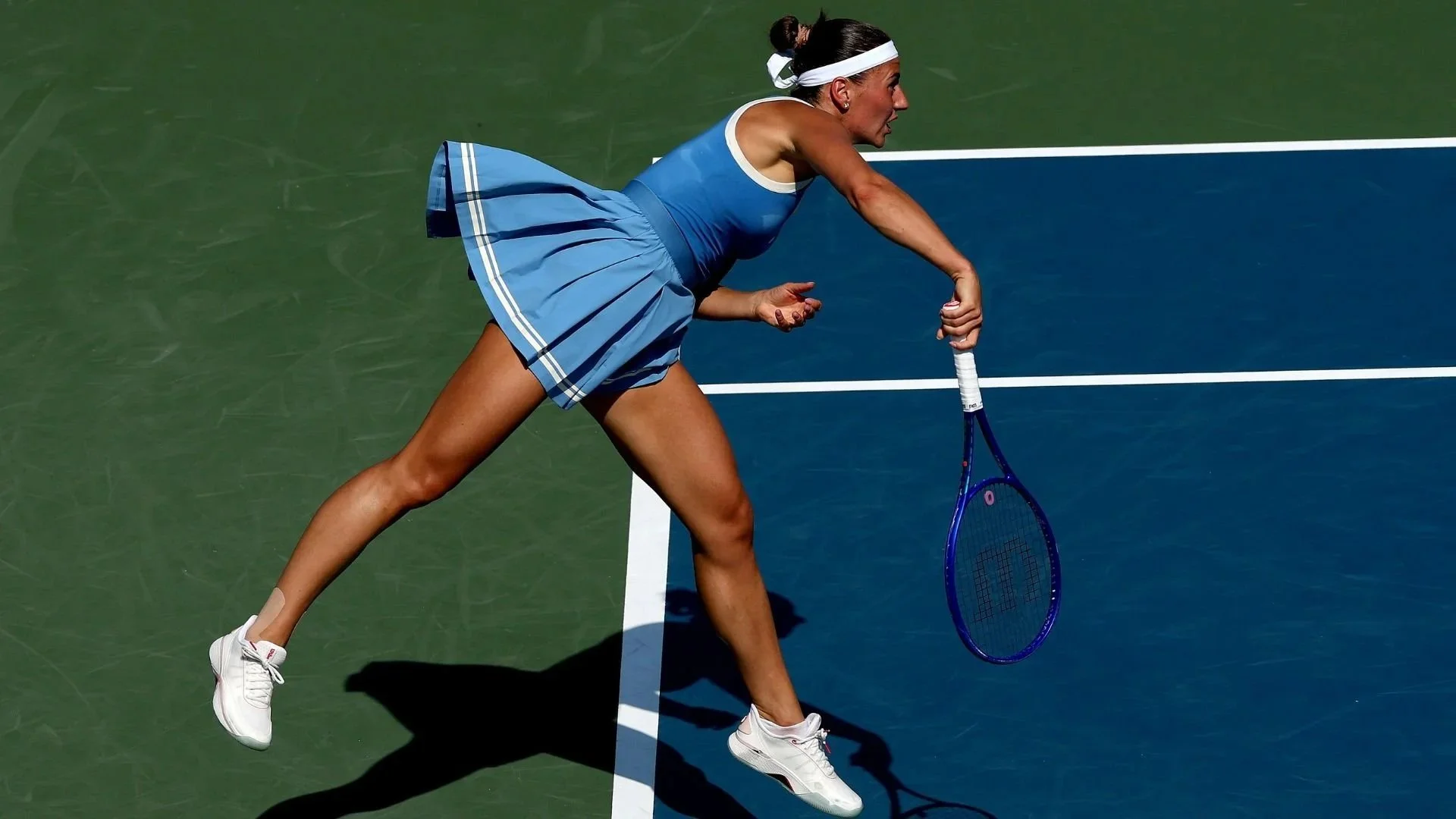
WTA Ventures appointed IMG as its managed production services partner in a multi-year deal covering more than 50 events per season. Most observers will read this as a logistics decision. This piece argues it is something more consequential: a women's sports property treating storytelling as foundational infrastructure rather than a finishing layer, and why the investment being made now will shape the commercial ceiling of women's tennis for the decade that follows.
What LeBron Found When He Asked the Right Question
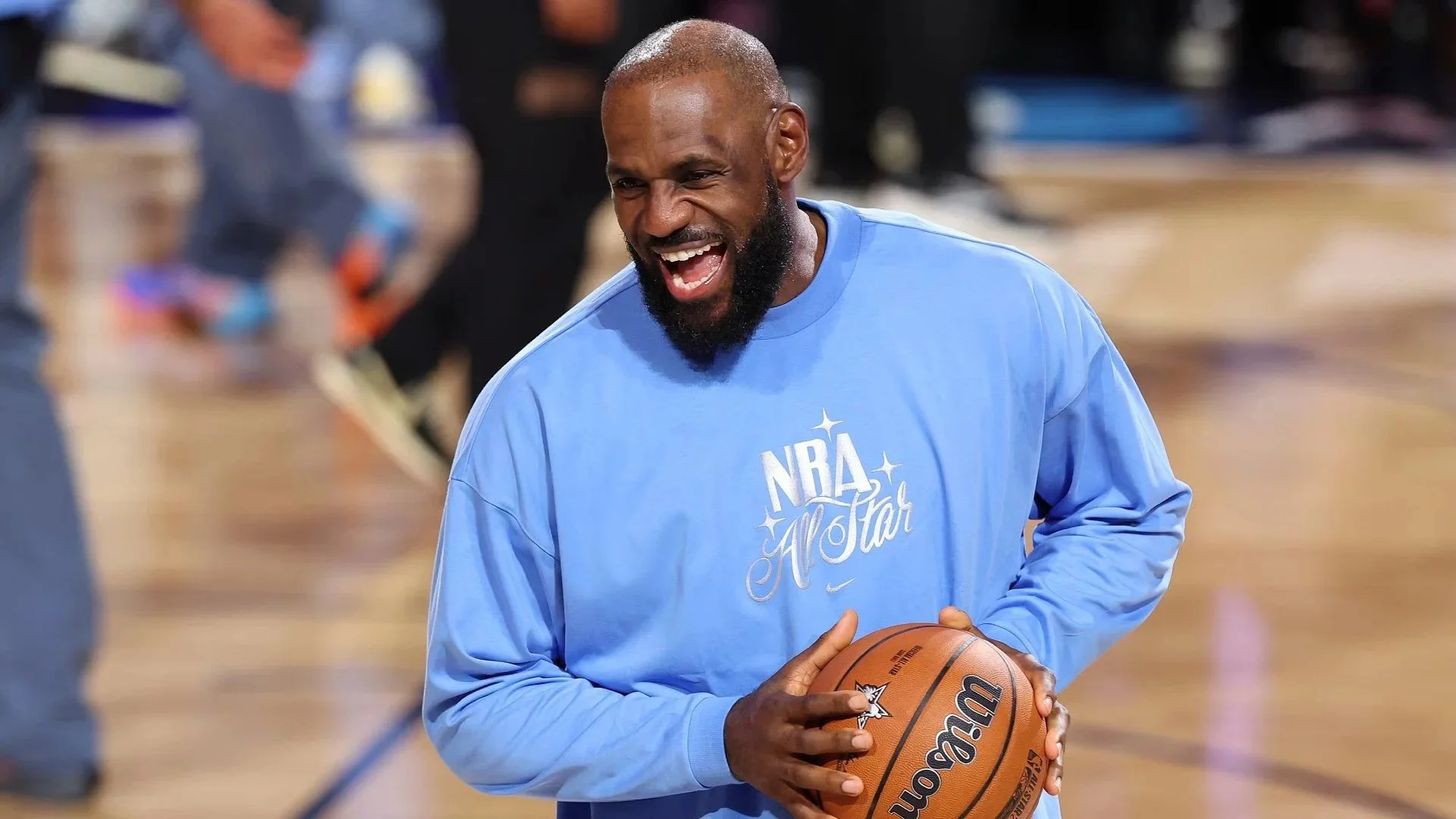
LeBron James signed with the Philadelphia 76ers for $8 million over two years, calling it his last decision. Every other outlet is covering the roster implications. This piece examines what happened in the weeks before the announcement, the identity question LeBron asked himself, what he found when he answered it honestly, and why the decision he made reveals something about athletic identity that most careers never make visible.
The Tournament FIFA Won and Lost at the Same Time
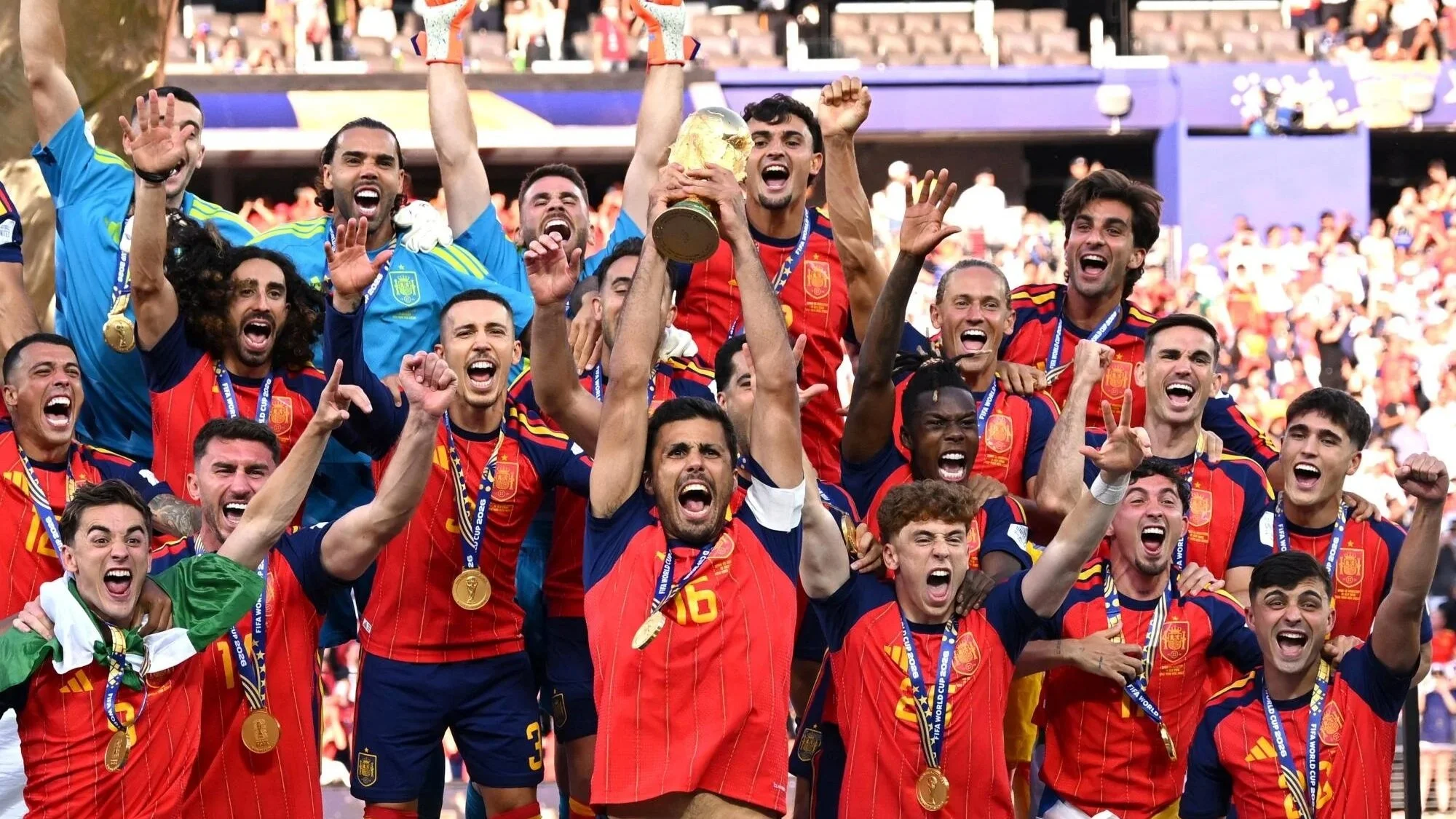
Spain won the 2026 FIFA World Cup with a goal in the 106th minute of extra time. The lasting image is not the goal. It is Gianni Infantino jogging across a stage trying to move a president who had decided to stay, followed by three organizations producing three different edited versions of what the world had just watched. This piece examines how FIFA arrived at that moment, what it reveals about institutional independence, and why the edited photos are the most honest thing any of them produced.
Two Weights, One Match
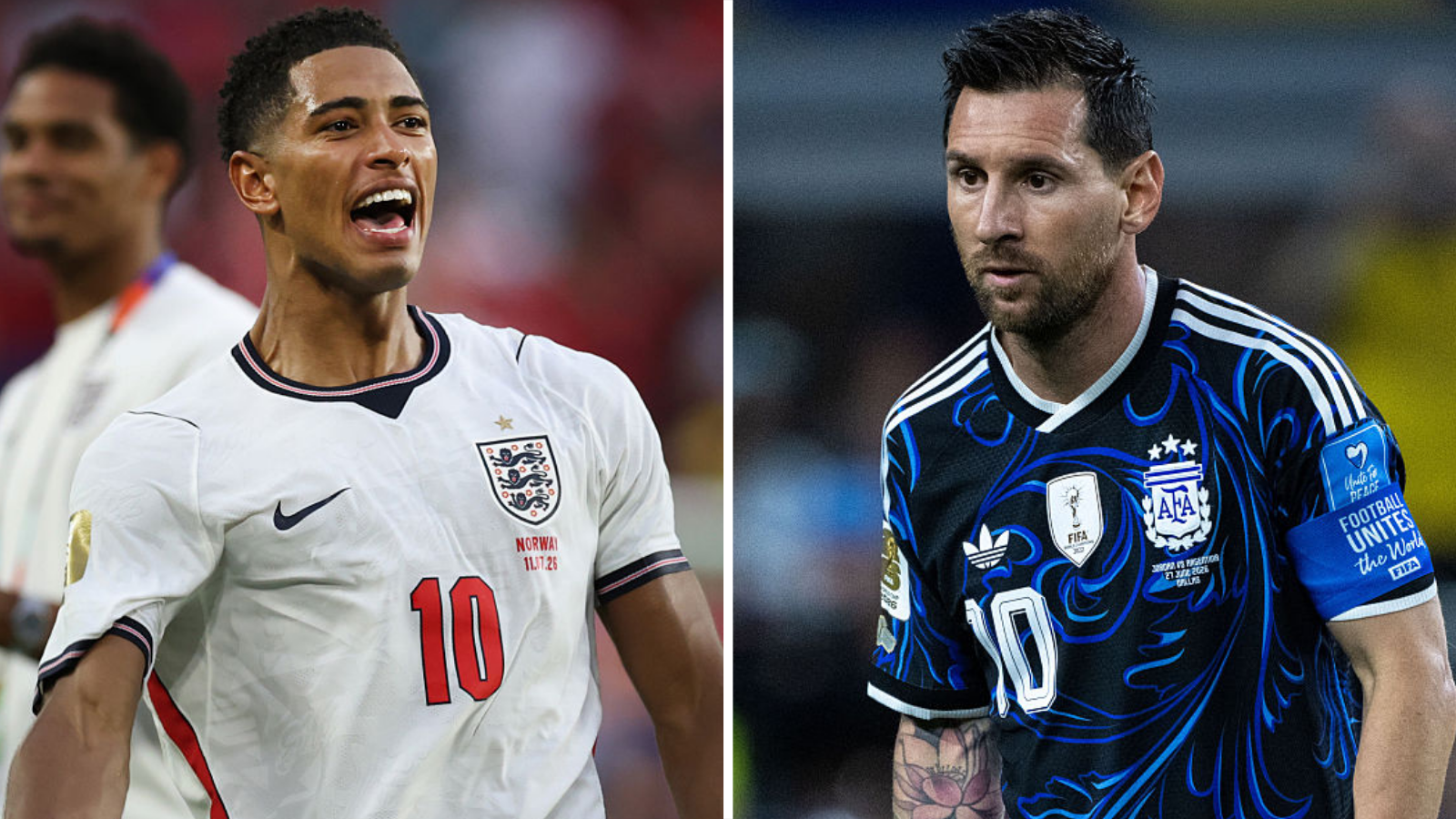
Tonight, England play Argentina in the World Cup semifinal for the first time since 2002. The match is carrying two distinct weights simultaneously: sixty years of accumulated football and political history between two nations, and a governance crisis that FIFA created entirely through its own conduct over the last six weeks. This piece examines both, and why understanding the difference between them reveals something important about how trust works in sport, and what happens when the institution supposed to protect it destroys it instead.

When a Sponsor Becomes Part of What You Are
The Big 12 just signed a multiyear deal worth around $20 million annually with Monster Energy, making the brand the entitlement partner of its football and basketball regular seasons. The Monster Energy claw will appear on every jersey, every field, and every court across the conference. This piece is not about the commercial logic, which is clear. It is about the identity logic, which deserves more scrutiny than it is getting, and what happens when a sponsor becomes part of what you are rather than what you have partnered with.
European Basketball's Talent Drain Is Not Just a Money Problem
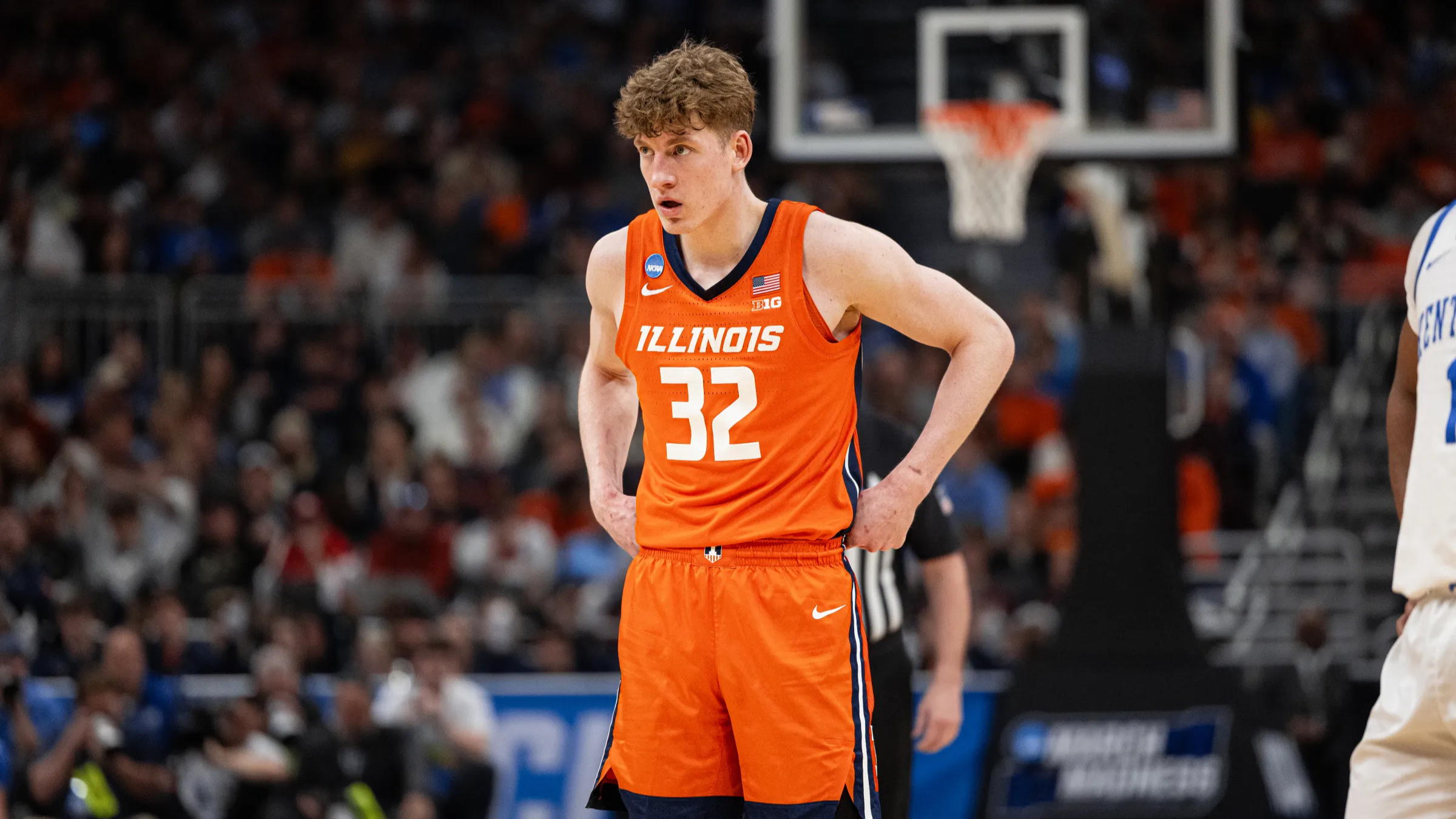
European basketball is losing young talent to American college programs at an accelerating rate, and the conversation has focused almost entirely on NIL money. This piece argues the financial framing is incomplete. Using Kasparas Jakucionis's decision to leave Barcelona for Illinois as a starting point, it looks at what NCAA programs actually sell beyond compensation, and why the clubs that respond to this shift with only a financial strategy will keep losing the players that matter most.
What It Took to Build a World Cup Team From Nothing
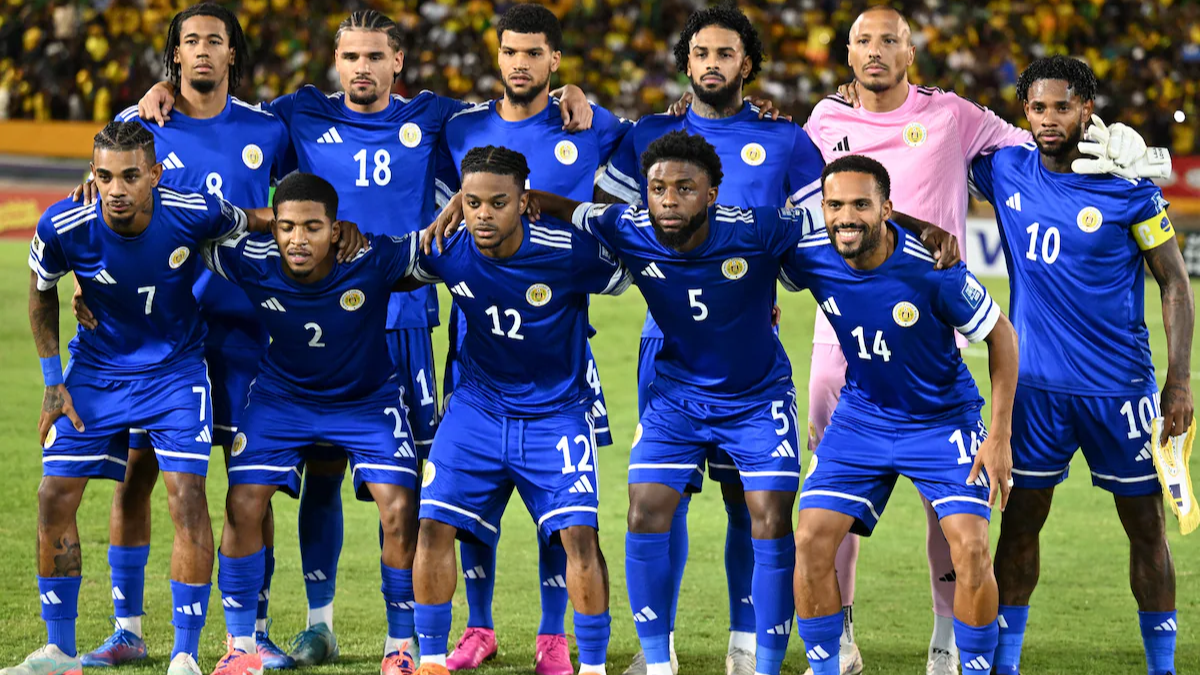
Curaçao, population 150,000, became the smallest nation ever to qualify for a FIFA World Cup. This piece is not about the qualification itself. It is about the more than a decade of deliberate identity construction that made it possible, carried out by specific people who believed in something before there was any evidence to justify that belief, and what their work reveals about how identity actually gets built.
Build It In or Bolt It On
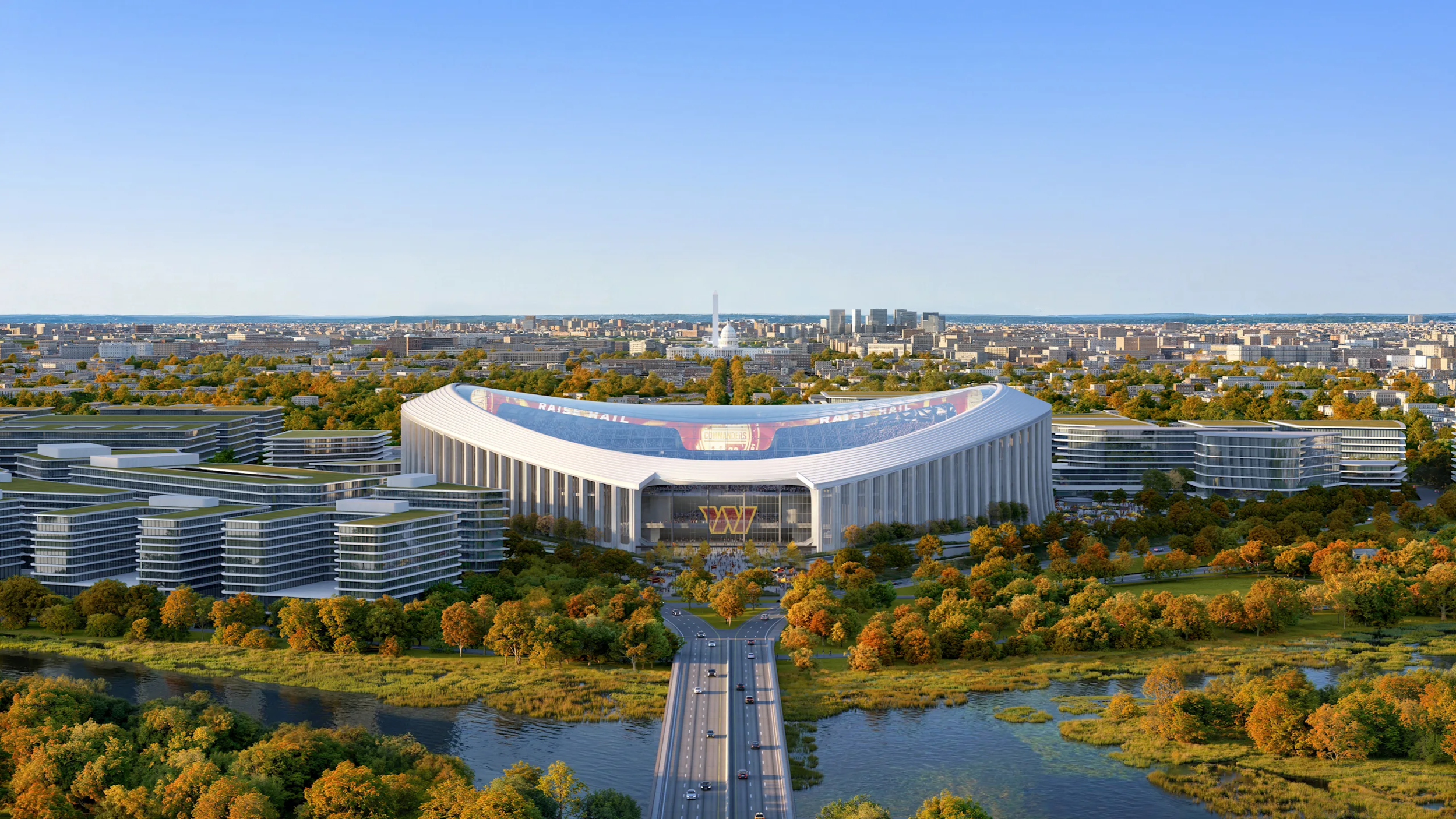
The Washington Commanders just issued a request for information seeking AI capabilities for their new $3.65 billion stadium. One line in their announcement is worth more attention than the rest: they are not seeking bolt-on technology, but AI conceived as a foundational capability from the start. This piece looks at what that distinction reveals about organizational development, and why the foundational questions in sport, about identity, experience, and community relationship, are the ones most consistently deferred until it is too late to build them in.
Performance Gets You to the Finals. Narrative Determines What They Are Worth.
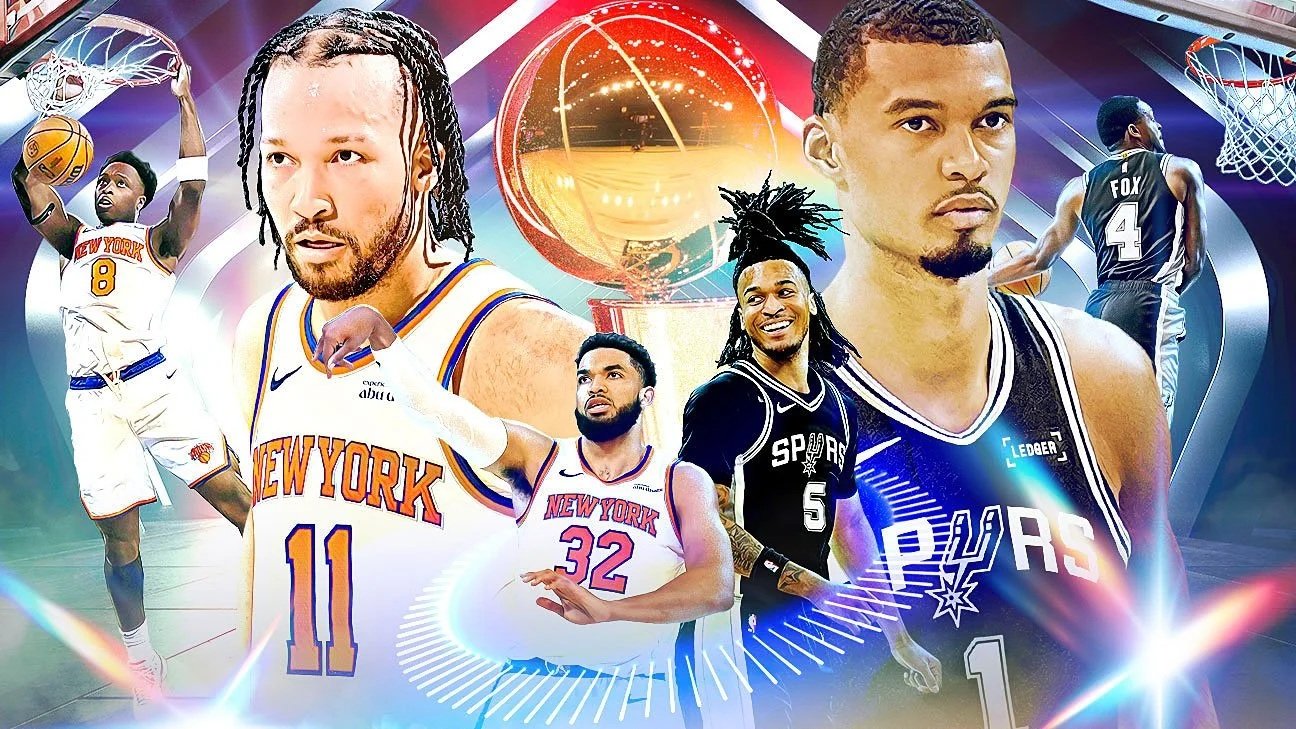
Disney sold out NBA Finals advertising inventory through Game 4 before Game 2 even tipped off. 88 advertisers, 24 first-time brands, scatter demand surging. This piece is not about the media business. It is about what the sellout actually proves: that narrative creates commercial value that performance metrics alone cannot, and why the brands knew it before a single point was scored.
The World Cup Is Not a Football/Soccer Competition
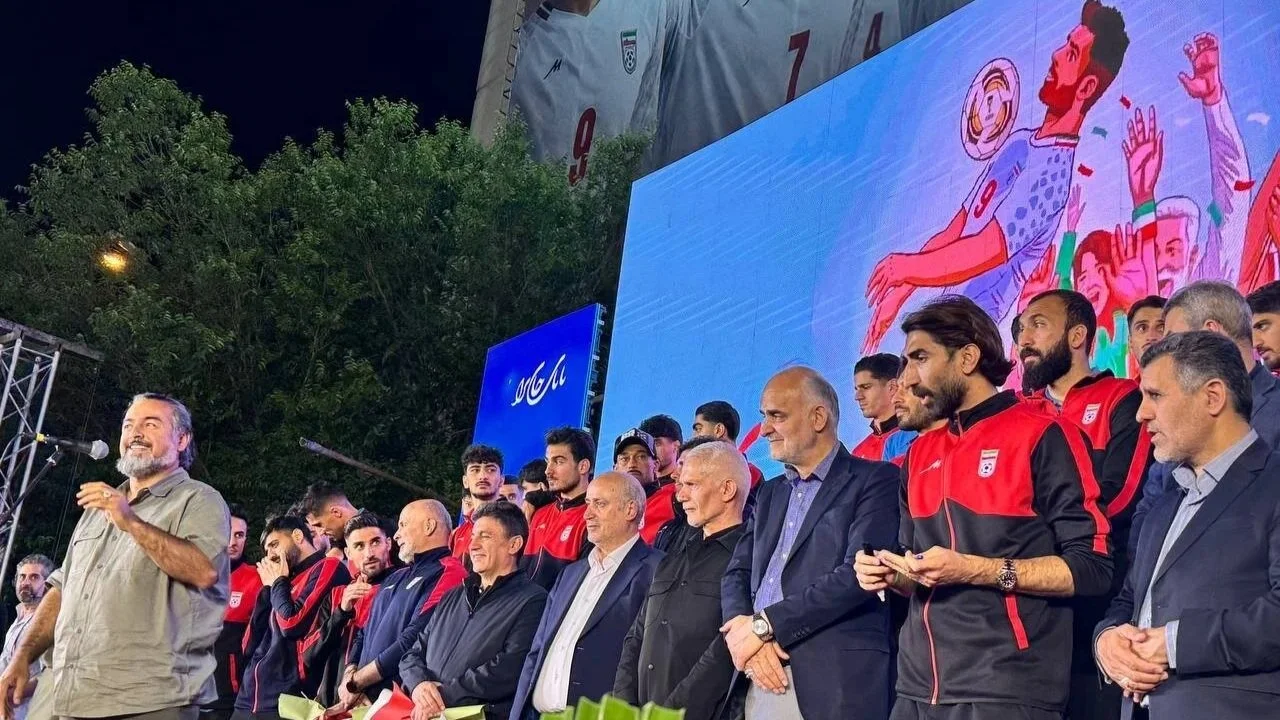
The 2026 FIFA World Cup begins on June 11. Forty-eight nations, 104 matches, the largest tournament in history. Before a single ball is kicked, the stories that will define it are already forming. This piece is not about football. It is about why some nations arrive at the World Cup with stories the world can feel, and why most arrive without one, and what the difference between those two things actually reveals.
The Blind Spot That Sport Creates
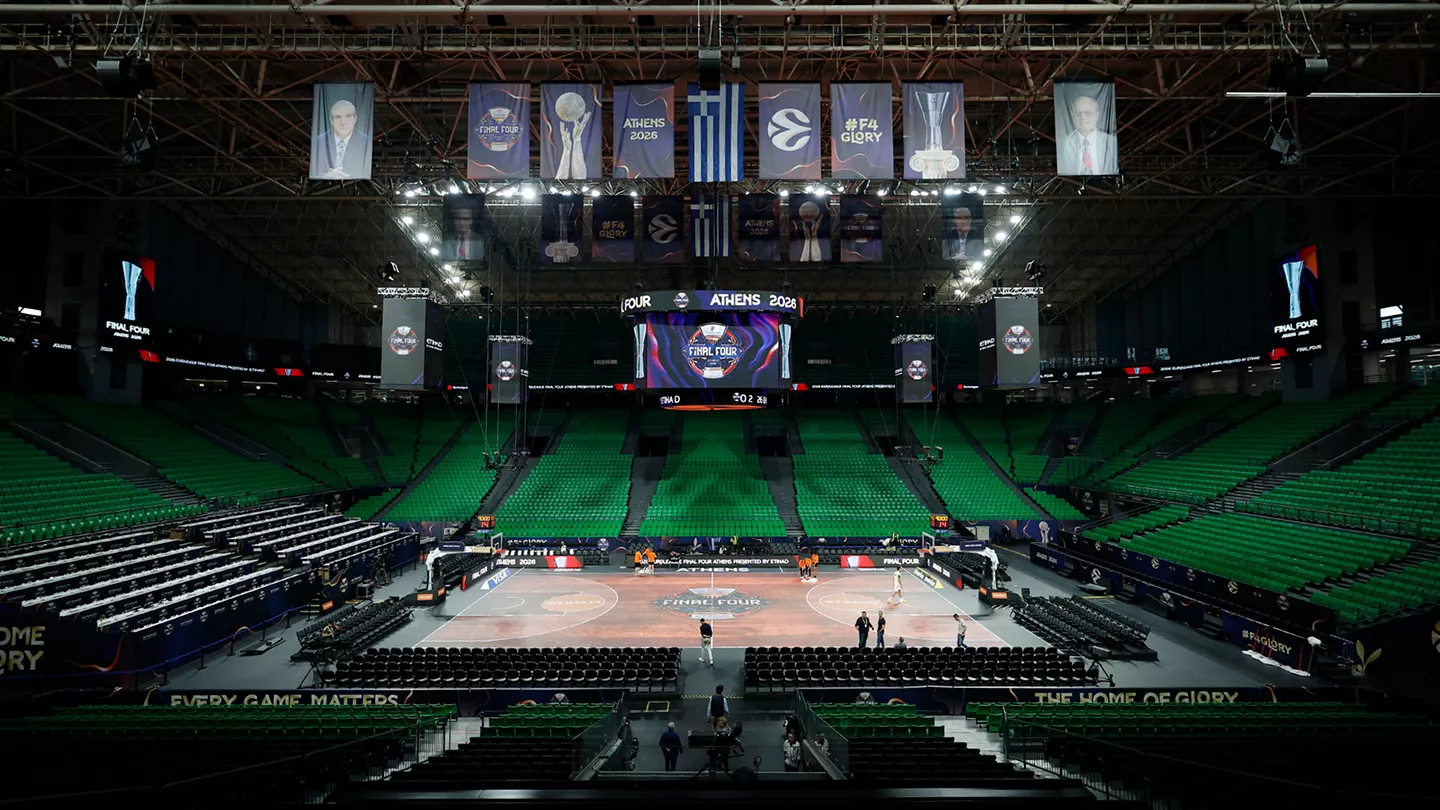
At the EuroLeague Final Four in Athens last week, Larry Kestelman said something that has not left me since. He talked about the first 20 meters around the court, the commercial space most clubs walk past every game without seeing it. His point was not about revenue. It was about attention. This piece looks at why the spectacle of sport creates a blind spot for the people building businesses around it, and what seeing clearly actually requires.
FIFA Has a Narrative Problem
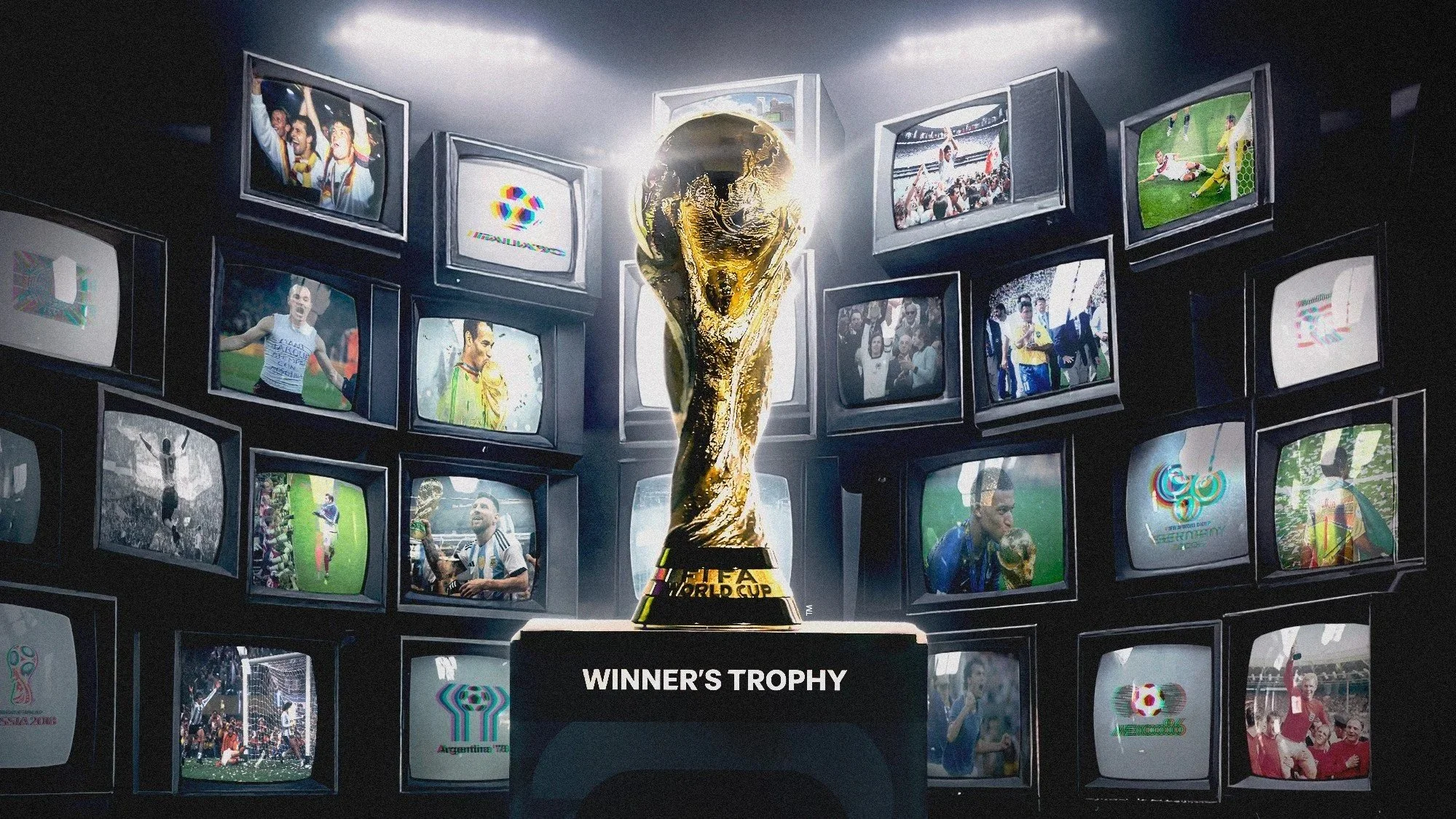
The FIFA World Cup starts June 11. India, a country of 1.4 billion people, still has no confirmed broadcaster three weeks before kickoff. This is being reported as a commercial impasse over pricing and scheduling. This piece argues it is something more structural: FIFA has a narrative problem in the world's largest untapped sports market, and no rights deal resolves it.
How Valencia Built Their Way to Athens
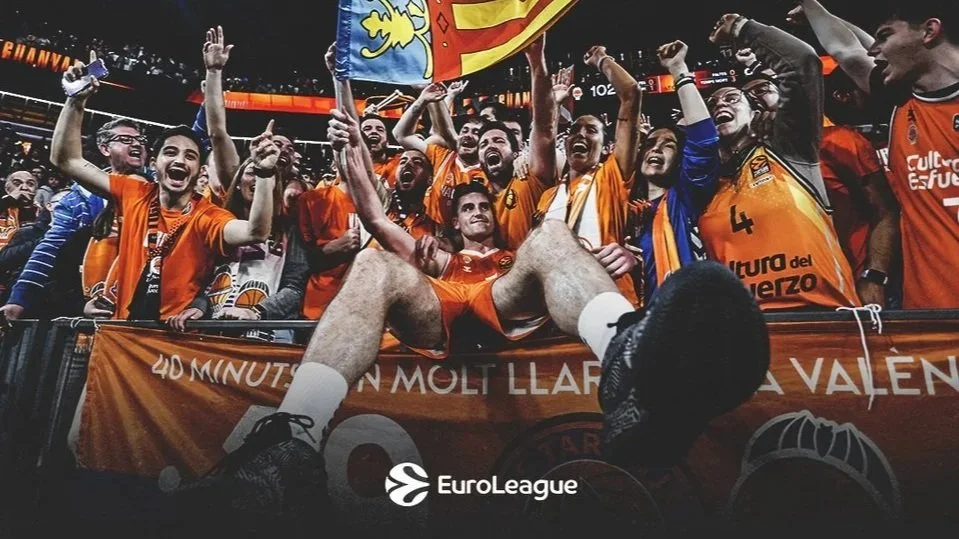
Valencia Basket reached the EuroLeague Final Four for the first time in their history on Wednesday night, coming back from 0-2 down to beat Panathinaikos 81-64 in a sold-out Roig Arena. This piece is not about the game. It is about what the result reveals about what this organization built over several years, and why the coaching philosophy, the new arena, and the roster construction all pointed in the same direction long before the basketball confirmed it.

Why Adidas Made a Film Instead of an Add
Adidas just released a five minute film ahead of the 2026 FIFA World Cup. Not an ad. A film. Backyard Legends features Messi, Zidane, Beckham, Chalamet, Bad Bunny, and three completely unknown young players as its protagonists. This piece looks at what Adidas actually made, why film carries what advertising cannot, and what it reveals about how identity is communicated most powerfully in sport.
The Generation That Became a Business Before Anyone Taught Them How
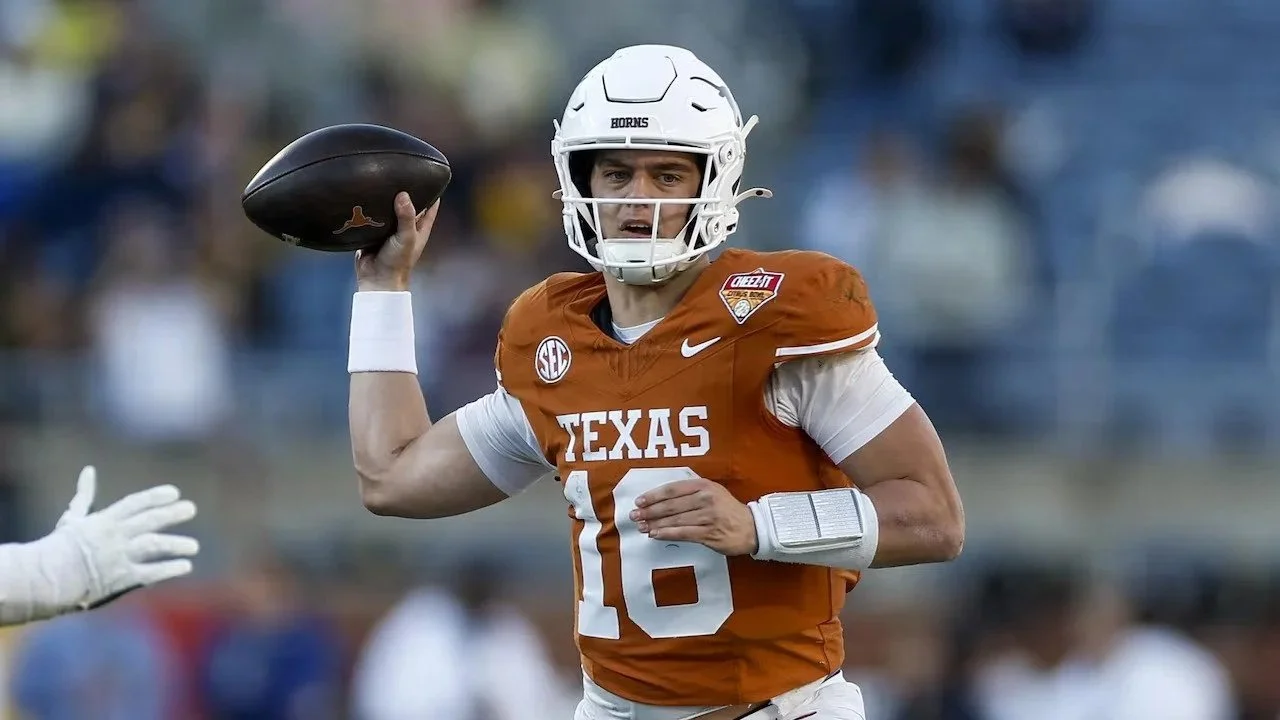
NIL transactions are projected to exceed $1.7 billion this year. Arch Manning's valuation sits at $5.4 million while still in college. The money arrived before the frameworks did. This piece looks at what the NIL era actually produced beyond the financial headlines, and why the gap it created is not primarily about compensation but about identity, and why closing it requires a different kind of thinking than anyone in college athletics has yet made the norm.