When the Game Stops Defining You
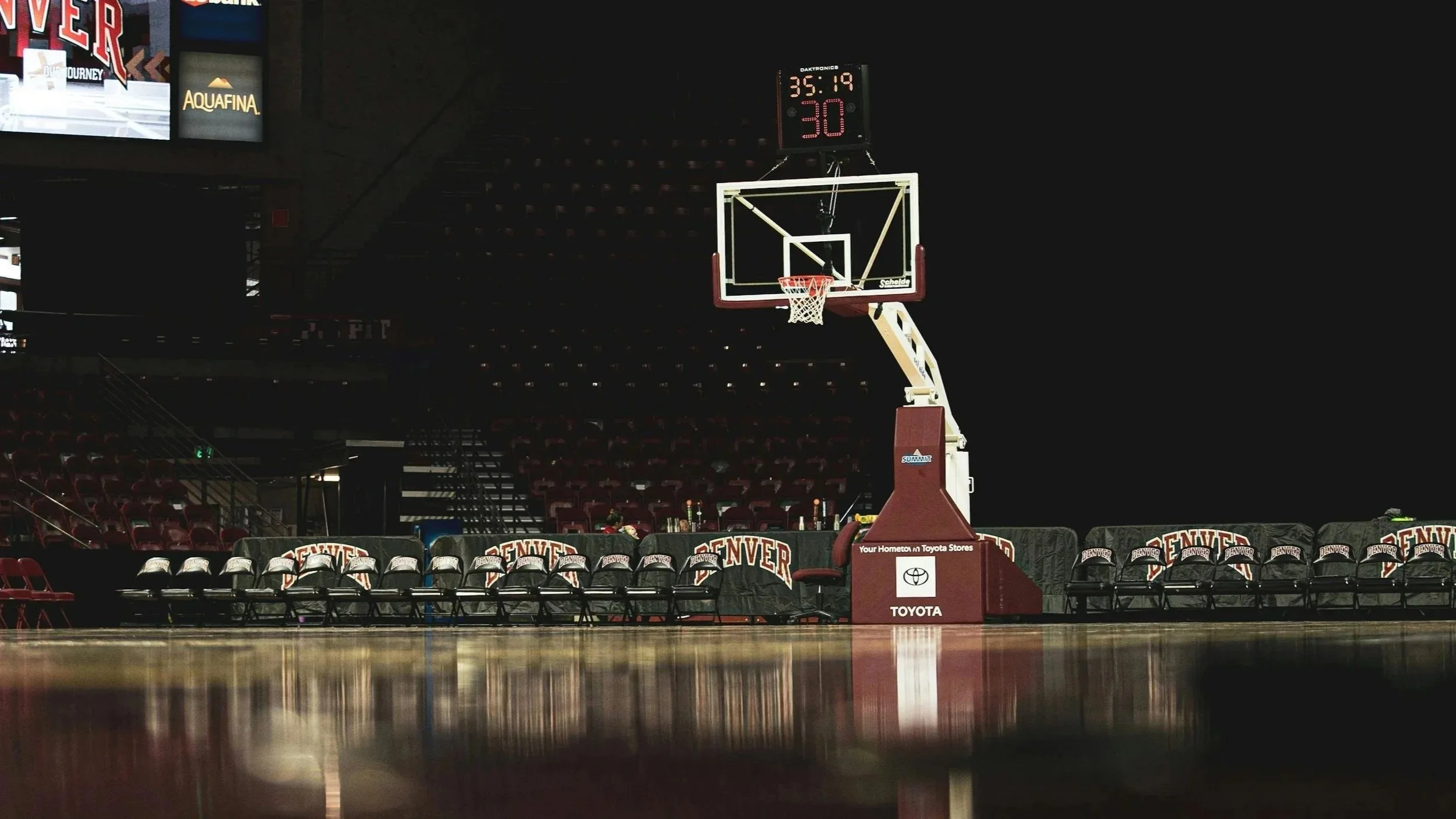
For many athletes, the game is never just a game.
Over time, it becomes something deeper. It becomes the structure around which life is built. Practices define the day. Seasons define the year. Teammates become a second family. Wins and losses shape how athletes experience confidence, pressure, and growth.
Through sport, athletes learn discipline long before most of their peers. They learn how to handle failure publicly, how to push through exhaustion, and how to commit themselves to a goal that may take years to reach. Sport becomes identity. Ask a young athlete who they are, and the answer often comes naturally:
“I’m a basketball player.”
“I’m a football player.”
“I’m an athlete.”
For years, that answer makes perfect sense. The game organizes life in a way that few other environments can. Training schedules, team structures, competitions, and shared goals create a sense of purpose and belonging that is difficult to replicate elsewhere. But, eventually, the relationship with the game begins to change.
For most athletes, this change does not happen in a single moment. There is rarely a clear retirement speech, a ceremony, or a final game that feels like the end of a chapter. Instead, the shift is gradual. Seasons end. Opportunities evolve. Priorities begin to change.
One day the schedule that once defined everyday life is no longer there in the same way. And in that moment, many athletes begin to realize something that is rarely discussed during their playing years: the game did not only shape their performance. It shaped their identity.
This realization can be unsettling. Not because athletes stop loving the sport that shaped them, but because the structure and community that once defined their daily life begin to move further away. Teammates follow their own paths. Training becomes less central. The constant rhythm of practices, games, and seasons slowly fades.
For the first time in years, the question becomes less about the next game and more about the next chapter. Yet hidden within this transition is something powerful. The years spent in sport build qualities that extend far beyond competition: discipline, resilience, leadership, the ability to work within teams, and the ability to perform under pressure.
Sport shapes character. But character alone does not automatically translate into direction. Many athletes realize that while the game gave them identity, it rarely taught them how to articulate that identity beyond the court or field. This is where narrative becomes important. Narrative is not simply storytelling or personal branding. It is the process of understanding who you are, what your experiences represent, and how those experiences connect to the wider world.
For athletes, narrative can transform years of dedication into something that extends beyond results or statistics. It allows athletes to define what they stand for, how they want to be perceived, and how their story can continue to evolve, during and after their playing careers. Because the reality is this: the end of a playing career does not erase the identity built through sport. It simply creates the opportunity to redefine it.
Some athletes become coaches. Others move into business, media, entrepreneurship, or community leadership. Many find ways to apply the lessons learned in sport to entirely different environments. But those transitions rarely happen by accident. They happen when athletes begin to recognize that the qualities developed through sport can become the foundation for something much larger.
The game may change, but the story does not end. In many ways, it is only just beginning.