Visibility Without Clarity Has a Cost
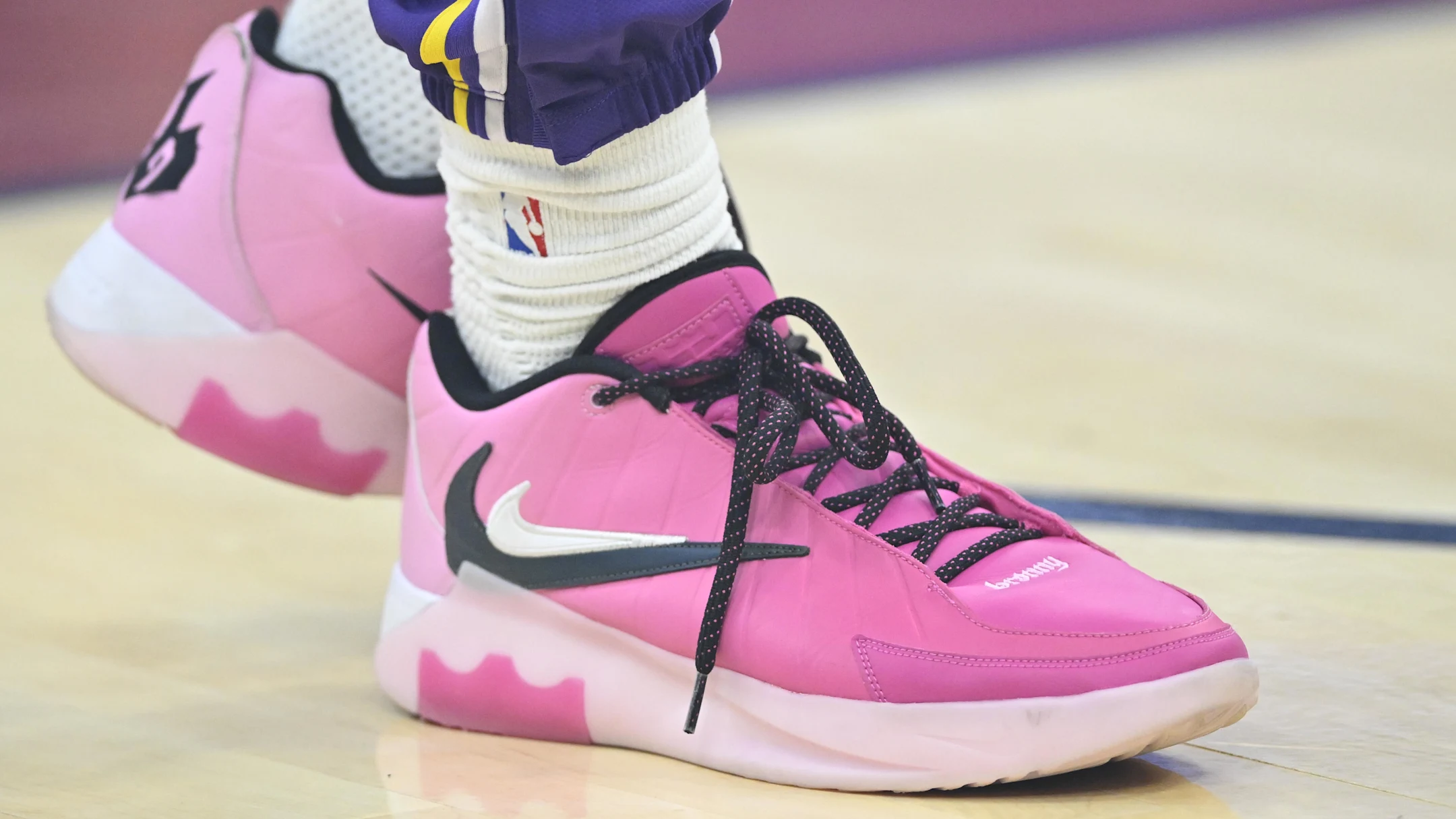
On April 13, the United States Patent and Trademark Office denied Nike's trademark application for Bronny James' signature B9 logo. The reason given was likelihood of confusion with an existing mark, a B9 trademark already registered since 2022 by Back9 Golf Apparel, a small company out of Austin, Texas that sells golf clothing and gear.
The examining attorney wrote that the marks are similar in appearance, sound, and commercial impression. Both cover clothing and apparel. The USPTO concluded they could not coexist in the market without creating consumer confusion.
This has been reported as a legal setback for one of the NBA's most visible young players. It is worth reading as something more fundamental than that.
What a logo actually is
A logo is the most compressed expression of an identity. At its best, it is a symbol that carries meaning because the thing it represents is already clear and distinct in the minds of the people encountering it. The Jordan jumpman works because decades of accumulated meaning sit behind it. The LeBron crown works because the identity it represents is specific and unmistakable. The symbol functions because the substance is already there.
When a logo is built ahead of the identity it is supposed to represent, it has nothing to anchor it. It is a design choice floating above a question that has not yet been answered. And when that question has not been answered clearly enough, the logo becomes vulnerable to exactly the kind of challenge the USPTO raised: what makes this distinct, and from whose perspective does it stand apart?
Nike did not fail here because of a design mistake. The B9 logo is well executed. They failed because the identity the logo was meant to represent had not been built with enough specificity to occupy its own distinct space. The visibility was in place. The distinctiveness was not. And distinctiveness, not visibility, is what trademark law protects.
The visibility trap
Bronny James is one of the most visible young athletes in professional sport. He is the son of LeBron James, plays alongside him on the Los Angeles Lakers, and carries the weight of a story that has no precedent in NBA history. He has been watched, analyzed, and discussed since before he played a college game. Nike signed him on an NIL deal during his college career and has been building around him ever since. The B9 logo appeared on his shoes publicly for months before the trademark application was even filed.
All of that visibility is real. None of it is the same as clarity.
Visibility tells people that an athlete exists. Clarity tells them what that athlete represents, what makes them distinct from every other athlete operating at a similar level, and why the identity behind the name is worth engaging with on its own terms rather than in relation to something else. Bronny's visibility is enormous and largely inherited, which is not a criticism but an honest observation about the challenge it creates. Building a distinct identity in the shadow of one of the greatest athletes in history requires more deliberate work, not less. The more visible the context, the more specific the identity needs to be to stand apart from it.
This is not a problem unique to Bronny James. It is a pattern that repeats at every level of sport. Athletes build presence, post content, accumulate followers, sign deals, and move through their careers with genuine momentum. The activity is real. The engagement is real. But the identity underneath it, the clear and specific sense of what this athlete represents and what makes them distinct from the field, often develops much more slowly than the visibility does, if it develops deliberately at all.
The result is a presence that is active but not anchored. Seen but not clearly understood. A platform without a position. And a logo, however well designed, that has nothing specific enough underneath it to defend.
Why identity has to come before everything else
The Bronny situation makes visible something that is usually invisible until it becomes a problem. Identity clarity is not just a communications asset. It is the foundation that everything built around an athlete, commercially, legally, and strategically, either stands on or does not.
IP protection depends on distinctiveness. A trademark works when the identity it represents is clear and specific enough to occupy its own space in the market. When that clarity is absent, the trademark becomes vulnerable, not because the design is poor but because there is nothing sufficiently distinct underneath it to separate it from what already exists.
Commercial partnerships depend on the same thing. The brands that build long-term relationships with athletes are looking for identities that are coherent enough to align with, specific enough to build around, and durable enough to hold value over time. A scattered presence, lots of activity without a clear thread connecting it, produces short-term deals that do not compound. The athletes who attract sustained commercial investment are the ones whose identity is legible, where a brand can look at what the athlete represents and see clearly why it makes sense to be associated with it.
Ownership thinking depends on it most of all. As athletes increasingly pursue equity stakes, business ventures, and IP-driven revenue, the question of what they represent becomes the central business question. An athlete who wants to build something, whether a product line, a media company, a fund, or a brand that extends beyond their playing career, needs a clear enough identity to serve as the foundation for that venture. Without it, the business has no coherent story, no distinct position in the market, and no defensible reason to exist beyond the athlete's visibility, which is temporary.
The downstream decisions, logos, trademarks, partnerships, ownership structures, all of them are only as strong as the identity they are built on. Build on something clear and specific, and the decisions that follow have a foundation. Build on something vague, and the cracks appear eventually, sometimes in a trademark office, sometimes in a partnership that never quite works, sometimes in a business that cannot survive the end of a playing career.
What building it properly looks like
The athletes who navigate this well are not necessarily the ones with the biggest platforms or the most resources behind them. They are the ones who did the harder work first. Who developed a clear enough answer to the fundamental questions before building anything on top of them. What do I represent? What makes me distinct from every other athlete operating at my level who can also perform? What is the thread that connects who I am to what I am building, and is that thread specific enough to hold weight when tested?
Those questions are not answered by a branding agency or a logo design process. They are answered by the kind of deliberate identity work that most athletes defer until something forces the question, an injury, a transition, a legal rejection, a partnership that does not land the way it should have.
Doing that work early does not guarantee that nothing goes wrong. But it means that when the logo is designed, it has something specific and defensible underneath it. When the partnership is signed, there is a coherent identity to align with. When the business is launched, there is a foundation that exists independently of the result on the field or court last Saturday.
This is the work that Narrative Athletics exists to support. Not logo design, not legal strategy, not content creation. The foundational work that makes all of those things more coherent, more defensible, and more likely to build into something that lasts. Identity first, because everything else follows from it, and nothing built without it holds its shape for long.
The question underneath the headline
Nike will likely find a path through this. They have the legal resources to appeal, modify, or negotiate a consent agreement with Back9 Golf. Bronny James will continue to play, continue to develop, and continue to build the identity that his career and his story are still in the early stages of defining. This is a setback, not a conclusion.
But the question the situation exposes will not be resolved by legal maneuvers. It is a question about identity, and it requires an identity answer. What does Bronny James represent, specifically and distinctly, beyond the fact of who his father is and what team he plays for? What is the thread that connects who he is to what he is building? And is that thread clear enough to stand alone in a room where someone else has already claimed something similar?
Those questions matter now, not because the trademark process demands them, but because every meaningful thing built around an athlete eventually does.
A logo is just a symbol. What it cannot do is create the clarity that was never built in the first place.