The Difference Between a Club With a Narrative and a Club With a Player
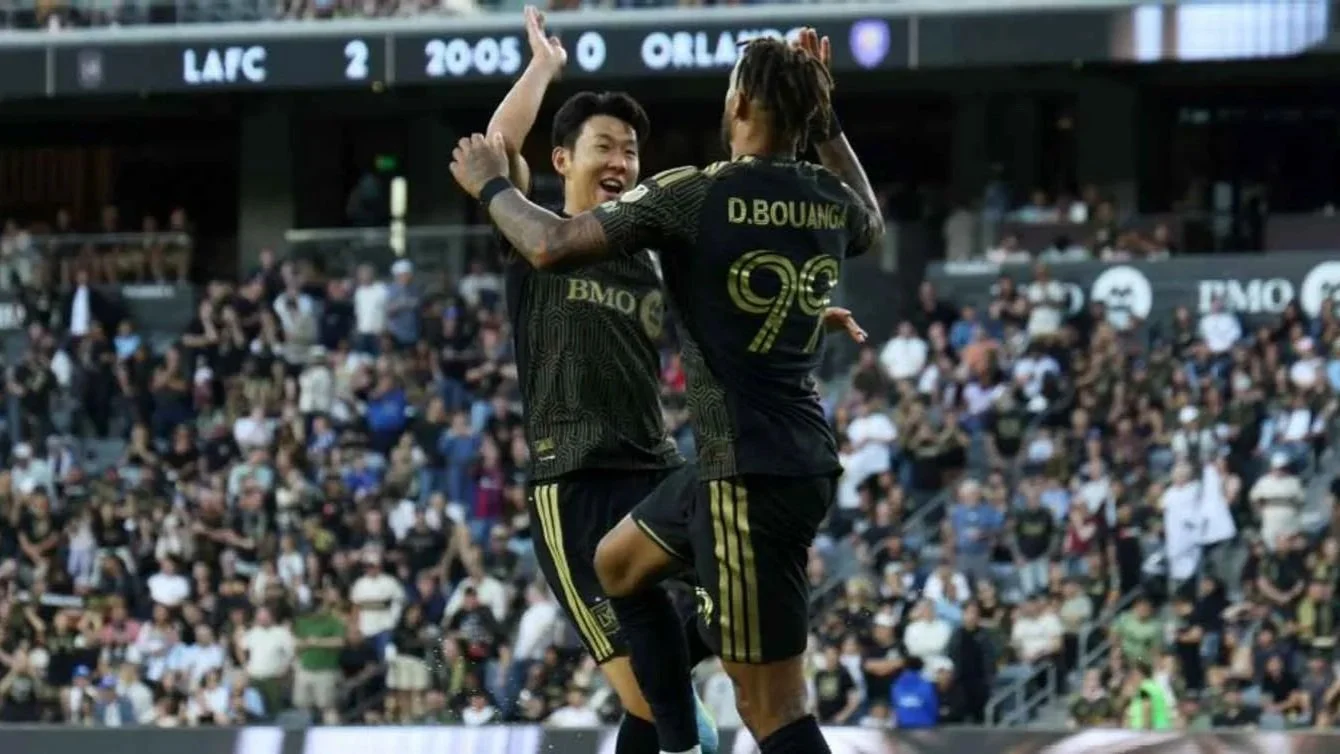
Two clubs share a city. They operate under the same salary cap, compete in the same league, and play in front of the same Los Angeles market. Early in the 2026 MLS season, one sits at the top of the Supporters Shield and has not conceded a goal in league play. The other is structurally unsettled, searching for consistency, and navigating a second consecutive season without the player their entire game model was built around.
The gap between LAFC and the LA Galaxy right now is not talent. It is not budget. It is not even form, at least not primarily. What is emerging between them, visibly and early, is something more fundamental: one organization knows what it is, and the other is still negotiating that question.
That distinction matters more than the standings suggest.
What the Galaxy's problem actually is
The easy explanation for the Galaxy's difficulties is Riqui Puig. He tore his ACL in 2024, the club set the record for the longest winless streak to start a season in MLS history, and when he suffered a setback in recovery and missed another season, the same structural problem returned. Remove Puig, and the Galaxy lose not just a player but the organizing logic of how they function.
That is the real problem, and it is worth being precise about what it reveals.
There is a difference between building an identity around a player's presence and building an identity that a player's presence serves. The first approach produces a team that is coherent when everything is in place and fragile when anything changes. The second produces a team that can absorb disruption because the identity is not stored in any individual. What the Galaxy have discovered, twice now, is that they built the first kind.
This is not a criticism of Puig, who by all accounts is genuinely special and genuinely missed. It is an observation about organizational structure. When a club's clarity depends on a single player being available, the club does not really have clarity. It has dependency. And dependency is only invisible until it is tested.
The Galaxy's 2024 season tested it, and the test failed publicly. The 2026 season is testing it again. The question is not whether the club can survive without Puig for another year. It is whether, when he returns, they will have built something underneath his presence that does not collapse without it.
What LAFC's clarity actually looks like
LAFC have not conceded a goal in MLS play in 2026. That is a remarkable early statistic, but the more revealing detail is how the club arrived at it. Not through spectacle or a single outstanding individual, but through accumulation. Decisions made correctly, distances held consistently, communication that does not break under pressure. Hugo Lloris anchors the defensive structure, but the stability belongs to the collective.
When coach Marc Dos Santos adjusted Son Heung-Min's role, moving him away from the demands of a lone striker and into a more fluid position, the team improved rather than fractured. The adjustment freed Son, redistributed the attack, and revealed a structure that had been searching for its most natural expression. That kind of adaptation, where a significant tactical change produces coherence rather than confusion, is the signature of an organization that knows what it is trying to be.
LAFC rotated heavily for their weekend fixture against Portland and lost. Nobody panicked. The identity does not live in any single result or lineup. It lives in the structure, the clarity, the accumulated understanding of what this team is and how it functions. That understanding holds even when individual pieces change.
That is what organizational identity actually looks like when it is working. Not a tagline or a communication strategy, but a shared sense of direction that makes decisions easier, adaptation possible, and disruption survivable.
The broader pattern
The Los Angeles divergence is a useful case study precisely because the two clubs are so directly comparable. Same market, same constraints, different outcomes in terms of clarity. But the pattern it illustrates is not unique to MLS or to Los Angeles.
Most clubs in professional sport are closer to the Galaxy than they would like to admit. They have players who carry the identity rather than serve it. They have results that substitute for narrative, because when results are good, the question of what the club actually stands for feels unnecessary. The communication holds together when things go well and fragments when they do not, because it was never built on anything more stable than momentum.
The organizations that hold their shape through the inevitable disruptions of a season, a transfer window, an injury, a run of poor form, a change in leadership, are the ones that built something underneath the results. Something that exists regardless of whether Saturday went well.
What separates them is not that they avoid disruption. Nobody avoids disruption in sport. What separates them is that their identity does not depend on disruption being absent.
What narrative actually does for an organization
There is a tendency in sport to treat narrative as a communications function. Something managed by the media team, expressed through content, measured in engagement. This misunderstands what it is and what it does.
Narrative, at the organizational level, is the clarity about what the club is that makes every other decision more coherent. Which players fit the identity and which ones, regardless of talent, pull in a different direction. How the team communicates when results are poor, because the story does not change just because the scoreline did. What the club represents to sponsors evaluating a long-term partnership, to fans deciding whether their loyalty extends beyond a winning run, to athletes considering whether this is an organization worth committing to.
When that clarity is absent, clubs default to whatever the most recent moment suggests. Winning teams look coherent. Struggling teams look confused. The communication shifts week to week because there is nothing stable underneath it to hold it in place. And when a key player gets injured, or a manager leaves, or a sponsor asks what the club actually stands for, the absence of a real answer becomes visible.
LAFC's current form is not just a product of good recruitment or tactical quality. It is a product of accumulated organizational clarity. The club has built a way of understanding itself that is durable enough to absorb change without losing shape. That does not happen by accident and it does not arrive automatically with success. It has to be built deliberately, with enough discipline to maintain it when the easier option would be to let the results do the talking.
The season is long
The Galaxy may recover. MLS seasons are unpredictable, rosters shift through the summer window, and a returning Riqui Puig would transform their situation considerably. None of this is inevitable.
But the structural question will not resolve itself through results alone. A run of wins would obscure it, not answer it. The same dependency that made 2024 so difficult would still be present underneath the better form, waiting for the next disruption to make it visible again.
The clubs that build something lasting in sport are the ones that ask the harder question before the crisis forces it. Not what do we need to win this season, but what are we, and what do we represent when the season stops going our way.
LAFC's answer to that question is visible in how they play, how they adapt, and how they hold their shape when things do not go to plan. It was not handed to them by a result or a signing. It was built, over time, with enough clarity and discipline to make it recognizable.
That is what the difference between a club with a narrative and a club with a player actually looks like when you see it in real time.