The Brand Signed Him Before He Played a College Game
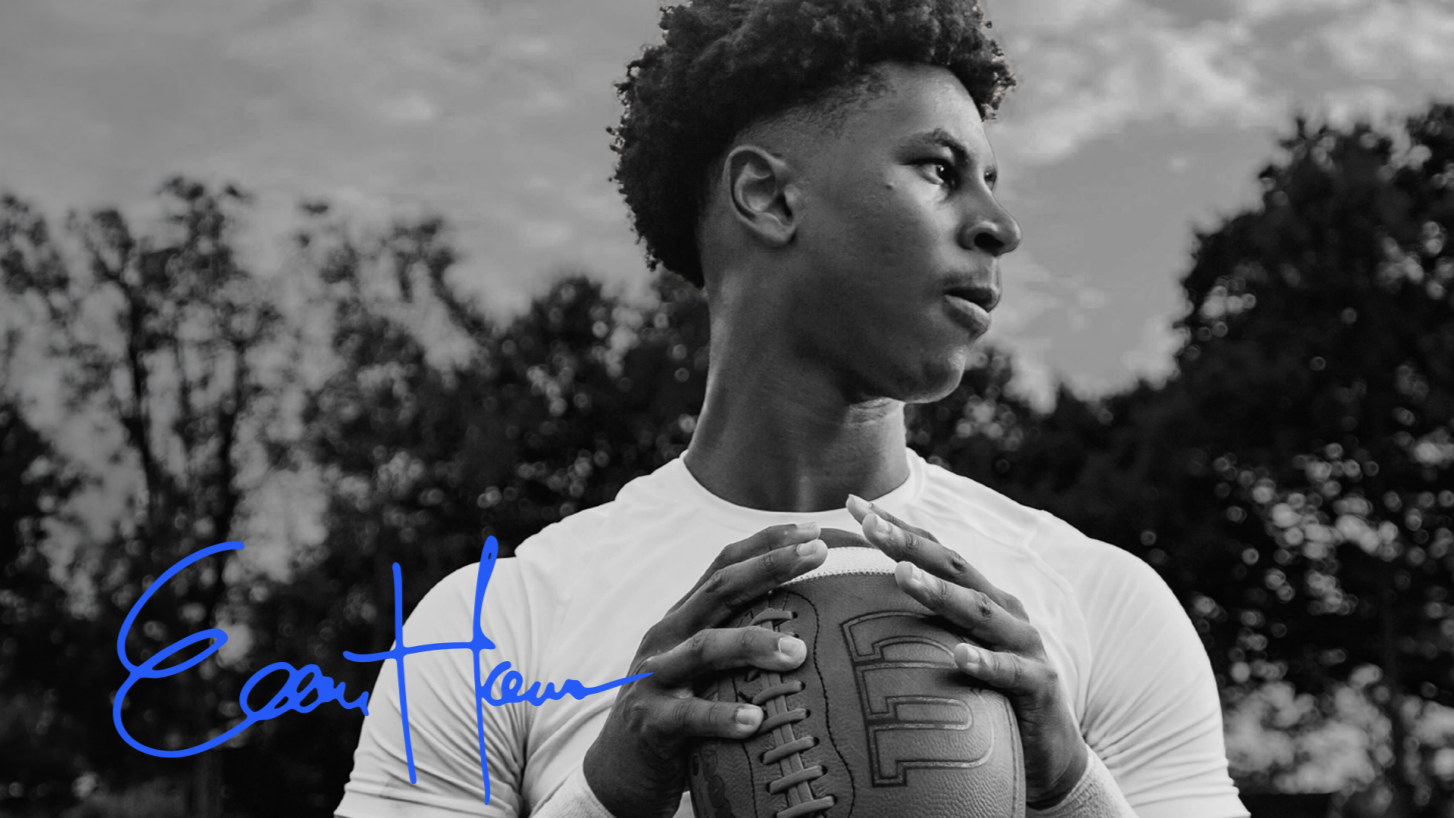
On April 7, EA Sports announced the signing of Elijah Haven, a 17-year-old quarterback from Baton Rouge, Louisiana, to their GEN/EA Sports program. Haven is the No. 1 quarterback in the class of 2027. He has not played a single college game. He will not be eligible for the NFL Draft until 2031 at the earliest. By any conventional measure of athlete value, he is years away from the moment where brand partnerships are supposed to make sense.
EA Sports signed him anyway. And the reason they gave is worth paying close attention to.
John Reseburg, EA Sports' VP of Marketing, was clear that this was not a traditional endorsement evaluation. They were not assessing Haven's completion percentage or his draft projection. They were asking different questions entirely. Who is coming up? How are they showing up? How are they starting to tell their story? The program itself is built around a belief that athletes are not defined by a single highlight or headline, but are creators, builders, and culture shapers whose identity is forming long before the spotlight arrives. EA Sports even cited internal research to justify the move: fifty percent of sports fandom is formed by age 14.
That is not a talent acquisition. That is an identity investment.
What EA Sports is actually buying
To understand why this matters beyond the headline, it helps to look at what GEN/EA Sports has done with its other athletes. When Travis Hunter, the Jacksonville Jaguars cornerback and former Heisman winner, joined the program, EA Sports built him a custom gaming studio in his home. Not because it would make him a better footballer. Because Hunter's identity extends into streaming, content, and gaming culture, and EA Sports wanted to invest in that full version of him, not just the version that shows up on Sundays.
That approach reveals something important about how the most sophisticated brands now evaluate athletes. The question is no longer simply how good someone is. At the level where these decisions get made, performance gets you into the conversation. It does not explain why a brand would build something substantial and long-term around one athlete rather than another. What explains that is clarity. What does this athlete represent? What do they care about beyond their sport? What is the story that connects who they are to where they are going, and is that story coherent enough to build around for years rather than months?
Haven answered that question before EA Sports asked it. In his own words: "I'm working toward the next level in football, but I'm also building my voice and my creativity." Football, voice, creativity. Three words that point in a direction. A brand can work with that. A brand can build around that. It is a simple sentence, but it reflects something that most athletes at any level struggle to articulate with that kind of clarity.
The athlete who is waiting
There is a version of this story that most athletes recognize but rarely talk about openly. The ambition is there. The sense that there is something worth building beyond the performance, a brand, a business, a platform, a presence that means something, is real and felt. But the starting point is unclear. The right moment has not arrived yet. The visibility is not quite there. The career needs to be more established before any of this becomes relevant.
So the work gets deferred. Not abandoned, just postponed. There is always a reason why now is not quite the right time.
What the EA Sports move makes visible is that the brands thinking seriously about long-term athlete partnerships are not operating on that timeline. They are not waiting for the athlete to establish themselves before deciding whether there is something worth building around. They are looking earlier, specifically for athletes who have already started the work of understanding what they represent and where they are going. The gap between the athlete who is waiting and the athlete who gets chosen is often not talent. It is that one of them has started and the other has not.
Why the timing assumption is wrong
The most common belief among athletes with genuine ambitions outside sport is that identity and positioning is something you figure out after the career gains momentum. Get the contract first. Build the visibility first. Reach a level where the question of what you stand for feels relevant. Then do the work.
This assumption is understandable. It has a logic to it. But it is wrong in a way that tends to become clear only in hindsight.
The EA Sports research points to something that applies well beyond gaming audiences. Identity, the sense of what an athlete represents and what makes them distinct, does not form in a vacuum. It forms through early impressions, consistent signals, and the accumulation of small decisions about how someone shows up over time. By the time an athlete feels ready to define what they stand for, a version of that story has often already been written for them, by media, by association, by the roles they played and the moments that got attention. Reclaiming that narrative later is significantly harder than building it intentionally from the start.
Haven is not unusual because he is talented. There are other talented quarterbacks in his class. He is unusual because at 17 he already has a working answer to the question most athletes defer for years. That answer is what made him legible to EA Sports before he had any professional result to point to.
The window for shaping how you are understood is earlier than most athletes realize. It does not stay open indefinitely, and it does not automatically widen as the career progresses. The athletes who wait for the right level of visibility before starting the identity work often find that the clarity they were waiting to feel never quite arrives on its own.
What the work actually involves
Building beyond the game is not a content strategy. It is not a social media plan or a personal branding exercise. Those things can follow from clarity, but they cannot create it.
The work starts with a more fundamental question: what do you actually represent, and what makes you distinct from every other athlete at your level who can also perform? That question is harder to answer than it sounds. Performance is the obvious answer, and it is usually the wrong one, because performance describes what you do, not who you are or what you stand for. The athletes who build something lasting are the ones who can answer that question with enough specificity that the answer actually points somewhere.
That clarity is what makes an athlete legible, to brands considering a long-term partnership, to audiences deciding whether to care about someone beyond their statistics, to partners evaluating whether there is something real to build around, and to the athlete themselves when decisions need to be made about what to pursue and what to leave alone. Without it, opportunities arrive and pass without leaving much behind. With it, even early visibility starts to compound into something.
EA Sports is not the only institution moving in this direction. The JPMorganChase Athlete Council was built on the same logic in a different domain. AT&T's approach to athlete partnerships centers on understanding who an athlete is off the field before deciding whether to invest. The pattern is consistent across industries: the brands and institutions that are serious about long-term athlete relationships are prioritizing identity clarity as a selection criterion, not as an afterthought.
The signal underneath the signing
The EA Sports and Elijah Haven story is easy to read as a marketing move by a large company with resources to bet on young talent. There is some of that. But something more structural is happening underneath it.
The timeline for identity work in sport is compressing. NIL has moved earning and brand building into college. GEN/EA Sports has moved serious brand investment into high school. The question of what an athlete represents and how they want to be understood is no longer something that becomes relevant after the professional career begins. It is relevant now, at every stage, for any athlete who wants what comes next to be something they built rather than something that happened to them.
Most athletes with ambitions beyond the game are not lacking in desire or capability. They are lacking in clarity, a clear enough sense of what they represent that it can actually translate into direction, decisions, and opportunity. That clarity does not arrive automatically with talent or visibility or success. It has to be built deliberately, and it has to be built before the moments that matter most arrive.
Haven is building it at 17. EA Sports noticed. That is not a coincidence.
The athletes who understand this early are not just better positioned for brand partnerships. They are better positioned for everything that follows the game, because they built something that exists independently of the result, something that compounds over time rather than disappearing when the career ends.
That work does not require a professional contract to begin. It requires a decision to start.