FIFA Has a Narrative Problem
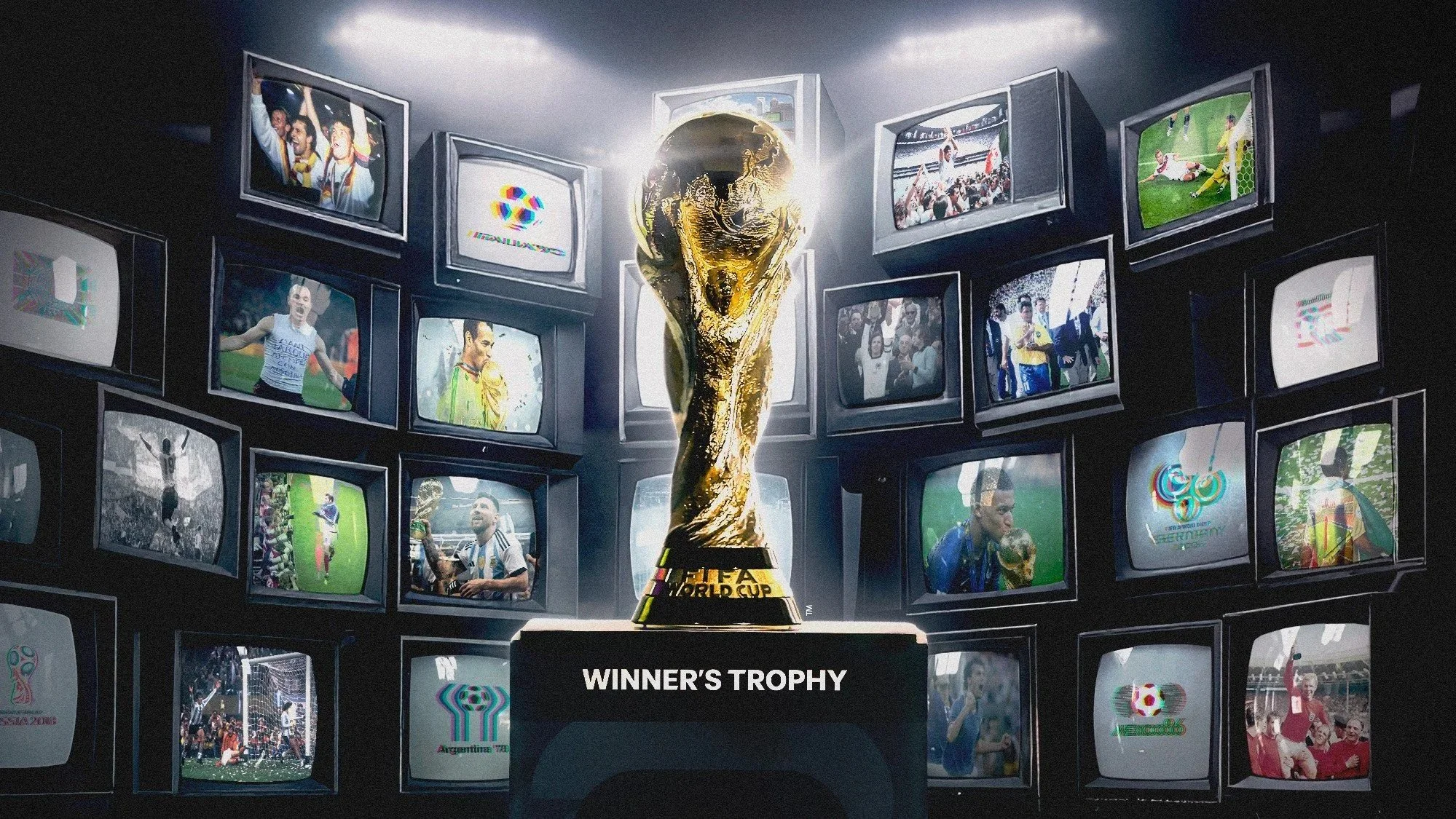
The 2026 FIFA World Cup begins on June 11. Forty-eight teams, 104 matches across the United States, Mexico, and Canada, the largest edition of the tournament in history. Every major market in the world has a confirmed broadcaster. China finalized a deal with FIFA on May 15. The United Kingdom, Germany, Australia, and more than 100 other countries are covered.
India is not.
A country of 1.4 billion people, the world's most populous nation, a market that delivered 110 million viewers for the 2022 World Cup on JioCinema, has no confirmed broadcaster three weeks before the tournament begins. FIFA initially sought close to $100 million for the combined 2026 and 2030 rights package in the Indian subcontinent. That figure was reportedly reduced to around $35 million. JioStar, formed through the Reliance and Disney merger and now the dominant force in Indian sports broadcasting, offered approximately $20 million. FIFA rejected it. The Delhi High Court has since issued a notice to public broadcaster Prasar Bharati following a petition seeking free-to-air coverage on Doordarshan and DD Sports. Legal intervention, three weeks before kickoff, is now the live option for ensuring 1.4 billion people can watch football's most important moment.
This is being reported as a commercial impasse. It is worth reading as something more structural than that.
The Commercial Problem on the Surface
The arithmetic of the India situation is genuinely difficult, and understanding it is important before examining what sits underneath it.
Most 2026 World Cup matches will kick off at 12:30am, 3:30am, and 6:30am in India. The tournament is hosted in North America, and the time zone gap is unforgiving. Advertising revenue in broadcast media depends on viewership. Viewership depends on people being awake and in front of screens. A broadcaster paying $35 million for rights to matches that most of their audience will be asleep for is not making a media investment. They are making a goodwill gesture with someone else's money.
JioStar's $20 million offer is not an insult. It is a reflection of what the rights are commercially worth given the scheduling reality. FIFA's refusal reflects a valuation built on what India should be worth as a market rather than what the current commercial environment actually supports. Both positions are defensible. The scheduling problem is real and neither party created it.
But the scheduling problem explains the gap between $35 million and $20 million. It does not explain why a market of 1.4 billion people, with a demonstrated appetite for football content, cannot get a deal done at any price with three weeks to go. Something more fundamental is at work.
The Narrative Problem Underneath It
India is not a football market in the way that Brazil, Germany, England, or Spain are football markets. Cricket dominates with a depth and emotional intensity that shapes how sports rights are valued, how broadcast decisions are made, and how sports fans in India understand their own identity. Football exists and is growing, particularly among younger urban audiences, but it has not yet become something that feels essential to Indian sports culture in the way it does across much of the rest of the world.
That distinction matters enormously for how broadcast rights negotiations work. When a broadcaster in England or Germany considers the cost of not having World Cup rights, the calculation includes the reputational damage of being the platform that made the tournament inaccessible. The emotional stakes are high enough that rights deals get done even when the commercial arithmetic is uncomfortable. The narrative value of the World Cup in those markets is high enough to pull commercial decisions across gaps that pure financial logic would not bridge.
In India, that narrative value has not been built to the same level. Football is interesting. It is growing. It delivered genuine viewership in 2022. But it is not yet something that a broadcaster fears missing in the way they would fear missing the Indian Premier League or a cricket World Cup. The emotional infrastructure that makes rights feel essential rather than optional does not yet exist at the scale FIFA needs it to exist to justify the price they are asking.
Commercial value in media rights is downstream of narrative value. The price a broadcaster will pay for access to an audience is determined by how much that audience cares about what they are being given access to. FIFA is trying to extract commercial value from a market where the narrative foundation has not yet been built to support it. The result is exactly what we are seeing: a negotiation that cannot find common ground because the two sides are implicitly disagreeing about what the rights are actually worth, and they are disagreeing because they have different views of how much football matters to India.
What the Opportunity Actually Is
The India situation is not just a story about a failed negotiation in the weeks before a tournament. It is a story about the largest untapped growth opportunity in global sport, and what FIFA has and has not done to develop it.
The numbers are extraordinary. 1.4 billion people. A median age of 28, meaning the majority of India's population is in the demographic that sports properties most want to reach. Rising disposable income and one of the fastest growing digital media markets in the world. JioCinema's 110 million viewers for the 2022 World Cup, including 32 million for the final, demonstrated that Indian audiences will engage with football content at scale when it is made accessible and presented compellingly.
The foundation is genuinely there. What is missing is the deliberate narrative work that would make football feel essential rather than optional to Indian sports fans. The organizations that build that story now, before the market is fully formed, will have a structural advantage that money cannot simply buy later. Market narratives, the sense of why a sport or a league or an event belongs in the cultural life of a country, are built over years through consistent, deliberate investment in storytelling and community. They are not switched on by a rights deal or a legal order. They have to be earned.
FIFA's approach to India has been primarily transactional. Media rights negotiations, broadcast tenders, valuation discussions. The commercial infrastructure has been the focus because the commercial opportunity is obvious. But commercial infrastructure built on top of an underdeveloped narrative foundation produces exactly the kind of fragile, pressure-dependent negotiation that is now playing out in the Delhi High Court three weeks before the biggest tournament in the sport's history.
What a Different Approach Would Look Like
The 2022 World Cup in Qatar gave FIFA something important in India. 110 million viewers is not a small number. It is evidence of latent demand for football content that was not being systematically developed or channeled into anything durable. A broadcaster paid $60 million for those rights and delivered a genuine audience. FIFA's response to that evidence was to raise the price for the next cycle rather than to invest in building the narrative foundation that would make the next price justifiable.
A different approach would have started with the question that commercial negotiations rarely ask: what does football mean to India, and what should it mean? Not as a rhetorical exercise but as a genuine strategic priority. Building stories around Indian players in European and South American academies. Investing in grassroots visibility. Creating cultural moments that connect football to the things Indian audiences already care about deeply. Making the sport feel like it belongs in Indian life rather than like an import from somewhere else that happens to be available on a streaming platform during inconvenient hours.
That work is not glamorous and it does not produce immediate commercial returns. It produces the narrative foundation that makes rights negotiations feel different. Where a broadcaster fears missing the tournament not because of commercial pressure but because their audience would not forgive them for it.
The gap between that situation and the current one is not primarily a function of scheduling or pricing. It is a function of whether football has built a story in India that makes its absence feel like a loss.
Three Weeks to Go
The World Cup starts June 11. India may have a broadcaster by then, through legal intervention, a last-minute deal, or a digital-only arrangement through FIFA+ and YouTube's existing agreement for highlights and partial coverage. Or it may not, leaving 1.4 billion people to navigate a patchwork of unofficial streams and limited official content for the most watched sporting event in the world.
Either outcome resolves the immediate problem without touching the structural one. Even if a deal gets done under legal and commercial pressure, it will be a deal made in crisis rather than one built on a foundation of genuine market development. The next negotiation, for 2030 rights, will begin from roughly the same position as this one unless something different happens in the years between now and then.
The more important question, the one that will determine whether India eventually becomes the football market it has the potential to be, is not whether a broadcaster signs by June 11. It is whether FIFA uses the next four years to build what it should have been building for the last four: a story about why football belongs in India, told consistently and specifically enough that by 2030, no broadcaster can afford to walk away from the table.
Commercial value is downstream of narrative value. FIFA has the most watched sporting event in the world. In India, it still has to explain why that matters.
That is not a pricing problem. That is a foundation problem, and foundation problems do not get solved by court orders.