El Mundial no es un torneo de fútbol
On June 11, the largest World Cup in history begins. Forty-eight nations, 104 matches, sixteen host cities across the United States, Mexico, and Canada. More teams, more stories, more moments than any previous edition of the tournament. And already, ten days before a single ball is kicked, the narratives that will define this tournament are forming in ways that have nothing to do with tactics or squad depth.
Argentina named Lionel Messi in their squad. He is 38 years old. Defending champions. Potentially his last tournament. A nation whose football identity has been inseparable from its greatest individual for two decades arrives carrying the weight of an ending that the entire world can feel without knowing a single thing about Argentine football.
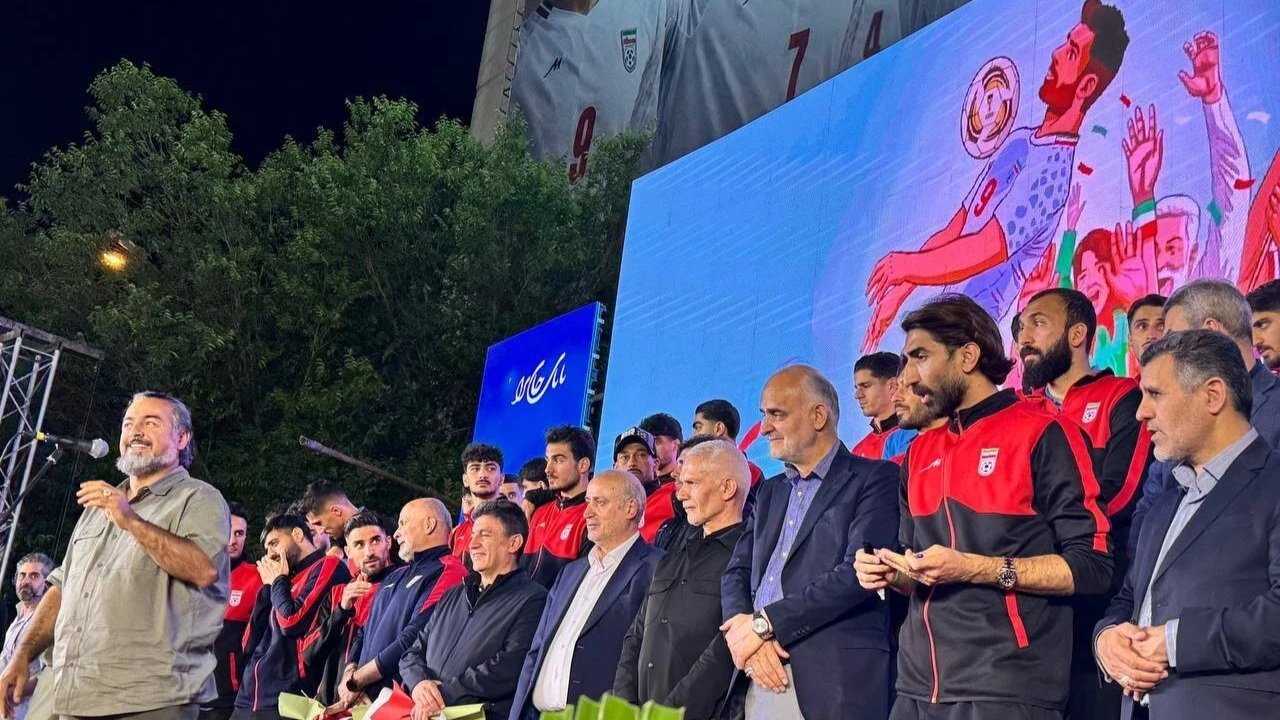
Iran moved their training base from the United States to Mexico, citing the ongoing war in the Middle East and related security concerns. Thousands lined the streets of Tehran for a farewell ceremony, sending their team off with the kind of emotional intensity that turns a football squad into something much larger than eleven players and a badge.
Sweden qualified through the playoffs, nearly eliminated, recovered under a new coach, and arrives carrying a story about a nation that almost did not make it and what that near-absence would have meant.
These are not football stories. They are identity stories that happen to involve football. And that distinction is the most important thing to understand about what the World Cup actually is.
What the Tournament Really Measures
The World Cup is the largest narrative laboratory in sport. Every four years, forty-eight nations bring their stories onto a stage watched by billions of people who will never visit those countries, who cannot name the players beyond the three or four who appear on every highlight reel, and who have no particular reason to care about the result except for the story that made them care.
The teams that reach the latter stages consistently are not simply the most talented. They are the ones whose identity as football nations is most coherent and most legible to a global audience. Their story travels because it is specific enough to be understood without context. Argentina plays with passion that borders on desperation. Brazil plays with a joy that looks like it belongs on a beach. Germany plays with a system so deeply embedded in how the nation understands itself that individual names come and go while the character of the team remains recognizable across decades.
These are simplifications. Every national team is more complex than any single adjective. But the simplifications stick because they are built on something real, on decades of consistent identity expression through the way teams play, the players they produce, the decisions made in pressure moments, and the stories that accumulate around the badge over time. The story that travels globally is almost always a simplified version of something genuine. The nations that cannot be simplified are the ones whose story does not travel at all.
The Nations That Arrive With a Story
Messi's final tournament, if it is his final tournament, is already the most loaded individual narrative at this World Cup. But the story is not really about Messi. It is about Argentina, a nation that has built its football identity so completely around the idea of transcendent individual genius, first Maradona and then Messi, that the question of what Argentine football is without that figure is genuinely open. The defending champions arrive not just defending a title but defending an identity. That tension is legible to anyone who has ever watched Messi play, regardless of whether they have ever thought about Argentina as a country.
Iran's story operates on a completely different register but with equal emotional weight. A nation using football as a container for something much larger than sport, carrying the hopes and the grief and the pride of a people navigating an impossible context onto a stage watched by the world. The farewell ceremony in Tehran was not a sports story. It was a statement about what football means when the stakes extend beyond the pitch. That kind of story travels because its emotional logic is universal even when its specific context is not.
France arrive as one of the most talented squads in the tournament with a story that is almost entirely unresolved. A golden generation of players who have won a World Cup, reached another final, but whose collective identity as a team has never quite solidified into something that feels coherent from the outside. Extraordinary individuals. A less clear answer to the question of what French football actually represents beyond the individuals. That tension between individual brilliance and collective identity is its own story, and it is one of the most interesting ones heading into June 11.
The Nations That Arrive Without One
Most of the forty-eight teams at this tournament will play their matches, win some and lose others, and leave without a story that anyone outside their home country will carry forward. That is not a failure of talent or preparation or ambition. It is something more structural.
The teams that arrive without a specific and coherent sense of what they represent, whose identity is defined primarily by their results rather than by something that exists independently of them, produce moments rather than stories. A brilliant individual performance. An unexpected upset. A goal that gets replayed for a week. These are real and valuable things. They are not the same as a story that accumulates, that gives every subsequent result a meaning that extends beyond the scoreline, that makes a neutral observer care about a team they had no prior connection to.
The expanded forty-eight team format makes this more visible than ever before. Nations that have never appeared at a World Cup, or rarely, will compete in 2026. Some will arrive with stories already formed, built through the drama of qualification, the significance of first-ever participation, the weight of what the badge means to the people wearing it. Others will arrive as participants without yet being protagonists. The difference between those two categories is almost entirely narrative, and it will be visible within the first ninety minutes of their first game.
What Makes a Football Story Travel
The World Cup narratives that become genuinely global, that people reference years later, that shape how nations are understood by people who have no other connection to them, share a specific quality. They are stories about something beyond football that football happened to make visible.
The 1998 French team was not just a football story. It was a story about a multicultural nation at a specific moment in its history, about what it meant for France to look the way that team looked, and whether that represented something real about the country or something aspirational. Whether or not that reading was accurate, it traveled globally because it connected football to something that people already cared about before the tournament began.
Iceland at Euro 2016 was not a football story. It was a story about smallness and belief and what it feels like when something that should be impossible becomes real. The thunderclap. The size of the squad relative to the size of the country. The sheer improbability of the whole thing. Iceland had a story that was specific enough to feel like something, and the world felt it with them.
The common thread is not quality of football or success in the tournament. Iceland lost in the quarterfinals. The 1998 French team happened to win. What made both stories travel was the clarity of the identity underneath them, the specific, coherent sense of what this team represented that gave every result a meaning that extended beyond the ninety minutes.
What the Laboratory Reveals
The World Cup does something no other sporting event quite manages. It puts forty-eight identity statements on the same stage simultaneously and lets the world decide which ones it cares about. The selection is not entirely rational. It is not determined purely by results or talent or marketing. It is determined by story, by whether the team arriving on that stage represents something specific enough and coherent enough that a person with no prior connection to it can find a reason to pay attention.
The teams that build lasting football identities do not do so during the tournament. They do it before it, through years of decisions made in alignment with a specific understanding of what they represent. How they play when results are poor. Which players they select and why. What they communicate about themselves in the moments between the games. How the badge is treated by the people who wear it and the people who support it.
Argentina did not build their identity in Qatar 2022. They confirmed it there, after decades of building something specific enough that the confirmation felt inevitable even when it was not. The nations arriving at this tournament without a clear story are not going to find one in the group stage. They either bring it with them or they do not.
The World Cup is the test. Identity is the preparation. And the teams that leave the deepest mark on this tournament, whose stories get told long after the final whistle, will not just be the ones that played the best football. They will be the ones that arrived knowing exactly what they represented.
The ones that could not be simplified but could not be forgotten.